Explore the Range of Pregnancy Blood Tests Offered in Plymouth
What Are the Components of a Pregnancy Blood Test?
Private Pregnancy Blood Test in Plymouth: A pregnancy blood test in the UK is designed specifically to detect human chorionic gonadotropin (hCG), a hormone that begins to be produced shortly after a fertilised egg successfully implants in the uterine lining. In Plymouth, numerous local clinics and hospitals offer this vital service, typically providing highly accurate results within a few days. The significance of this test cannot be overstated; it not only confirms pregnancy but also plays a crucial role in monitoring the overall health of both the mother and the developing fetus. The National Health Service (NHS) strongly advocates for blood testing as a standard procedure for early detection and comprehensive maternal care, enabling timely interventions should any health issues arise during this critical time.
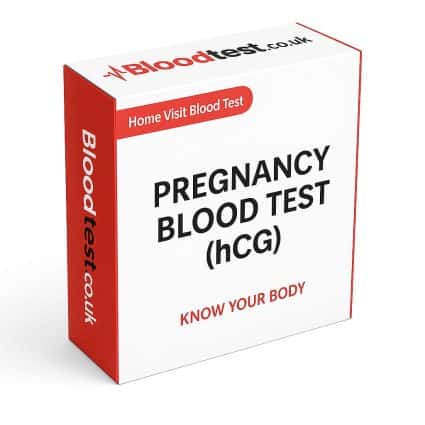

Comprehending the importance of hCG levels is vital; these levels typically increase rapidly during early pregnancy, signifying a viable pregnancy. Should levels fall below expected thresholds or fail to rise as anticipated, this may indicate complications, prompting healthcare providers to offer immediate assistance and intervention. As such, the pregnancy blood test is not merely a confirmation tool but forms an essential component of a series of evaluations that ensure a healthy and positive journey for both mother and baby, reinforcing the importance of careful monitoring during this period.
Why Are Blood Tests Indispensable for Optimal Prenatal Care?
Blood tests throughout pregnancy serve numerous purposes and are invaluable for assessing the overall health of expectant mothers. In the UK, these evaluations are crucial for identifying conditions such as anaemia, infections, and genetic disorders at an early stage. In Plymouth, routine blood tests are performed in accordance with national health guidelines, promoting a proactive approach to prenatal care. Early detection of health risks is essential for safeguarding both maternal and fetal well-being, highlighting the collaborative effort between healthcare professionals and patients during this crucial time.
For example, blood tests can uncover infections that may jeopardise the pregnancy, including syphilis or HIV. Early detection of such conditions allows for prompt intervention and treatment, which is vital for ensuring a safe environment for the baby’s development. Additionally, regular blood testing facilitates monitoring essential nutritional levels, particularly iron and vitamin D, ensuring that mothers receive the necessary support to maintain their health throughout pregnancy. Hence, these evaluations lay the groundwork for maternal health, guiding discussions and decisions about lifestyle and care strategies tailored to each individual’s unique needs and circumstances.
Crucial Preparations for Pregnancy Blood Tests in Plymouth
Preparing for a pregnancy blood test in Plymouth is a straightforward process; however, it is essential to follow specific guidelines to ensure reliable results. Expectant mothers should adhere to the following preparation steps to maximise the effectiveness of their testing:
- Schedule an appointment at a local Plymouth clinic or hospital.
- If advised, fast for a specified duration prior to the test.
- Stay well-hydrated by drinking sufficient water unless otherwise instructed.
- Avoid strenuous activities before the test to ensure optimal conditions and comfort.
- Bring essential documentation, such as NHS cards or referral letters, to facilitate the process.
- Wear comfortable clothing that allows easy access to the arm for the blood draw.
- Discuss any medications or supplements currently being taken with healthcare professionals to ensure safe testing.
- Prepare questions or concerns to raise during follow-up visits with the healthcare provider, fostering open communication.
These measures help to minimise discomfort during the blood draw and enhance the accuracy of the results obtained. Upon arrival at the clinic, trained professionals will guide patients through the blood collection process, which typically involves drawing blood from a vein in the arm. The collected sample is then dispatched to a laboratory for thorough analysis. After the procedure, healthcare providers usually inform patients of results within a few days, ensuring that any necessary follow-up care or interventions can be promptly addressed, thus supporting the health of both mother and baby.
How Can I Accurately Understand Results from Pregnancy Blood Tests?
Interpreting the results of pregnancy blood tests is a fundamental aspect of prenatal care in Plymouth. Healthcare professionals rely on predefined guidelines to evaluate hCG levels and other relevant markers, providing insights into the viability of the pregnancy and potential health risks that may arise. A standard result will indicate whether hCG levels are within the expected range for the gestational age, aiding in identifying issues such as ectopic pregnancies or miscarriages.
In the UK, physicians often provide results with clear explanations and actionable recommendations, ensuring that expectant mothers fully understand their implications. For example, if hCG levels are lower than expected, further testing may be necessary to ascertain the underlying cause, leading to a tailored care plan that addresses any complications. Conversely, rising hCG levels provide reassurance of a healthy, progressing pregnancy. The interpretation process is typically collaborative, with healthcare providers ensuring that patients understand their results and the implications for their ongoing care.
Moreover, follow-up consultations are a crucial part of the process, providing a platform to discuss results in detail and address any concerns. This dialogue is essential for fostering trust and ensuring that expectant mothers feel informed and supported throughout their pregnancy journey, reinforcing the importance of continuous communication in healthcare.
Uncovering the Benefits of Regular Blood Testing During Pregnancy
The benefits of regular blood testing during pregnancy are substantial, particularly in a location like Plymouth, where healthcare services closely align with NHS standards. Routine blood tests facilitate the early detection of complications that can have significant implications for both maternal and fetal health. This proactive approach can lead to timely interventions and adjustments in care that enhance the overall experience of pregnancy for mothers and their families.
For instance, routine blood tests can identify conditions such as gestational diabetes or anaemia, which, if left unchecked, could lead to serious health challenges for both mother and child. Early detection of gestational diabetes allows for dietary modifications and close monitoring, significantly reducing risks for both the mother and the baby. Furthermore, comprehensive blood screening can reveal infectious diseases, such as hepatitis B or syphilis, enabling timely treatment strategies that protect the health of both mother and child throughout the pregnancy.
The peace of mind that accompanies regular health assessments cannot be overstated. Expectant parents often experience anxiety during pregnancy; having routine checks can provide reassurance and confidence in the care they are receiving. Knowing that their healthcare providers are vigilant and proactive fosters a supportive environment that promotes both physical and emotional well-being throughout the pregnancy journey.
Understanding the Essential Role of Blood Tests During Pregnancy
When Should Blood Tests Be Scheduled During Pregnancy?
Blood testing in the UK is generally scheduled early in pregnancy, typically during the first trimester at clinics in Plymouth. This timing is critical, as it aligns with recommendations from health authorities to detect potential concerns as early as possible. Early tests are instrumental in monitoring hCG levels and identifying any deviations from expected trends, providing timely insights into the viability of the pregnancy.
The initial blood tests commonly occur around 8 to 12 weeks, coinciding with the first ultrasound, which helps establish a comprehensive understanding of the pregnancy’s progression. By adhering to these timelines, healthcare providers can implement proactive measures if abnormalities are detected, significantly improving maternal and fetal health outcomes. Furthermore, early testing lays the groundwork for a customised approach to care, enabling healthcare professionals to monitor specific conditions relevant to each individual’s profile and health history.
Expectant mothers should be aware that subsequent blood tests may be necessary as the pregnancy progresses, particularly if classified as high-risk or if underlying health concerns exist. Regular monitoring allows for adjustments to care plans, ensuring that both mother and baby receive the appropriate attention and care throughout the pregnancy journey.
Why Is Early Detection Through Tests So Important?
The advantages of early detection through blood tests during pregnancy in the UK are profound. Regular testing allows for the identification of potential risks such as blood disorders, gestational diabetes, and infections, all of which can significantly affect maternal and child health if left unmonitored. In Plymouth, blood testing services are strategically designed to provide expectant families with peace of mind and crucial information about their health.
For example, through routine blood tests, conditions like anaemia can be detected early, allowing healthcare practitioners to implement dietary changes or supplements to improve iron levels. The early identification of gestational diabetes is equally crucial; timely interventions can reduce complications during labour and delivery, ensuring a healthier outcome for both mother and baby. By addressing potential health issues before they escalate, expectant mothers can significantly enhance their pregnancy experience and outcomes.
Moreover, these tests provide a valuable opportunity for healthcare providers to engage with expectant parents, offering emotional reassurance and guidance. Understanding risks associated with pregnancy fosters a culture of informed decision-making, empowering families to take proactive steps in managing their health. The emotional support that comes from knowing one’s health status can alleviate anxiety, fostering a more positive pregnancy experience for mothers and their families.
What Role Do Blood Tests Play in Supporting Maternal Health?
Blood tests in the UK significantly enhance maternal health by screening for various conditions that can impact a woman’s well-being during pregnancy. In Plymouth, the availability of these tests enables expectant mothers to receive tailored advice based on their individual health profiles. Screening for thyroid issues, vitamin deficiencies, and infectious diseases can lead to informed discussions about lifestyle modifications and treatment options that are necessary for maintaining optimal health during pregnancy.
For instance, thyroid dysfunction can adversely affect pregnancy outcomes if not identified and managed appropriately. Blood tests that assess thyroid hormone levels enable healthcare providers to offer personalised treatment plans that align with the mother’s health needs. Moreover, regular monitoring of vitamin levels, particularly vitamin D and folic acid, is vital for promoting healthy fetal development. Ensuring that mothers are adequately nourished through proper supplementation helps to minimise the risks associated with developmental challenges and contributes to the overall well-being of both mother and child.
Furthermore, these blood tests facilitate a holistic approach to care, allowing healthcare providers to monitor changes in health status throughout pregnancy. This ongoing evaluation not only promotes immediate health but also prepares mothers for a smoother postpartum recovery, creating a continuum of care that extends beyond childbirth and into early parenting.
How Are Blood Tests Utilised for Infection Identification During Pregnancy?
Blood tests in the UK play a crucial role in screening for infections during pregnancy, which is particularly vital for maintaining both maternal and fetal health. In Plymouth, healthcare facilities adhere to NHS protocols that guide practitioners in assessing the risk of infections such as rubella, syphilis, and HIV. The timely identification of these conditions can lead to effective treatments that protect both the mother and her baby from potential harm.
For instance, if a blood test reveals that a mother is not immune to rubella, preventative vaccinations can be administered post-delivery to safeguard future pregnancies. Furthermore, if infections like syphilis or HIV are detected early, healthcare providers can initiate appropriate treatment regimens that significantly reduce transmission risks to the fetus. This proactive approach ensures that expectant mothers are equipped with the necessary interventions to safeguard their health and that of their children, contributing to a healthier pregnancy experience overall.
In Plymouth, the process of screening for infections is comprehensive, often involving repeat testing throughout the pregnancy. Continuous monitoring of potential infectious agents enables healthcare providers to react swiftly should any new concerns arise, ensuring that the mother receives the most appropriate and timely care possible. This strategy underscores the UK’s emphasis on maternal and fetal health, illustrating the importance of routine blood testing as part of a holistic prenatal care plan that prioritises the well-being of both mother and child.
What Are the Common Types of Pregnancy Blood Tests Available?
Comprehensive Overview of Standard Blood Tests Conducted During Pregnancy
In the UK, standard blood tests performed during pregnancy encompass a wide range of evaluations that are essential for monitoring maternal and fetal health. In Plymouth, these tests are integral to routine antenatal care, typically conducted at local clinics or hospitals. A full blood count (FBC) is one of the primary tests performed, assessing red and white blood cell counts to detect conditions such as anaemia or infections that can compromise health.
A full blood count provides vital baseline data that enables healthcare professionals to monitor changes in the mother’s health throughout the pregnancy. This information is crucial for making informed decisions, particularly regarding the management of anaemia, which can lead to significant complications if overlooked. Additionally, blood tests can screen for other essential markers, such as liver and kidney function, aiding in the early identification of potential issues that may arise during pregnancy.
Moreover, the standard array of tests frequently includes blood typing and screening for Rh incompatibility, which are essential for preventing complications in subsequent pregnancies. By ensuring that both the mother’s and baby’s blood types are compatible, healthcare providers can take necessary precautions to safeguard the health of both parties. The integration of these standard tests into prenatal care reflects a steadfast commitment to comprehensive health monitoring throughout pregnancy, contributing to improved maternal and fetal outcomes.
Understanding the Importance of Genetic Screening Tests in Pregnancy
Genetic screening tests are increasingly incorporated into prenatal care protocols across the UK, including services offered in Plymouth. These blood tests empower expectant parents to assess the risk of genetic conditions such as Down syndrome, enabling informed choices about their pregnancy. Non-invasive prenatal testing (NIPT) is a notable example, providing high accuracy in detecting chromosomal abnormalities through a simple blood draw, which is less invasive compared to traditional methods.
The genetic screening process is characterised by a holistic approach, as healthcare providers often offer counselling to help parents understand the implications of test results. This support empowers families to make decisions that align with their values and circumstances, providing clarity during a potentially stressful time. In Plymouth, various healthcare facilities provide these tests, ensuring accessibility for all expectant parents who wish to explore their genetic health options.
It is important to note that while genetic screenings offer valuable insights into potential risks, they are not diagnostic tests; rather, they indicate the likelihood of conditions being present. Should results suggest a higher risk, further diagnostic testing, such as amniocentesis, can be discussed, offering clarity and definitive answers. The integration of genetic screening into prenatal care exemplifies the commitment to providing comprehensive support to families, enabling them to navigate the complexities of pregnancy with confidence and care.
Exploring Additional Screening Options Available to Expectant Mothers
In addition to standard and genetic screening tests, numerous supplementary blood tests are accessible in the UK, particularly within Plymouth’s healthcare framework. These tests assess factors such as immunity to infectious diseases, which is crucial for ensuring maternal and fetal safety. For instance, blood tests can evaluate a mother’s immunity to rubella and varicella (chickenpox), allowing for timely vaccinations if necessary to protect both mother and child.
Moreover, comprehensive blood testing also includes evaluations for sexually transmitted infections, ensuring that all potential risks are assessed and managed appropriately. This thorough approach is particularly important for expectant mothers, as it supports proactive care and timely interventions that can prevent complications. Providers in Plymouth follow NHS guidelines, ensuring that all testing options are available and appropriately administered to support maternal health.
The availability of additional screening options allows for a tailored approach to each pregnancy, accommodating individual health circumstances and preferences. For example, women with pre-existing medical conditions may require more frequent monitoring or additional tests to ensure that their unique needs are met. This flexibility within the UK healthcare system reflects a commitment to comprehensive prenatal care, contributing to positive health outcomes for mothers and their children.
Expert Recommendations for Effective Pregnancy Blood Tests in Plymouth
Practical Steps for Preparing for Blood Tests
Preparing for a pregnancy blood test can significantly influence the experience and accuracy of results. Experts in Plymouth recommend several practical steps to ensure expectant mothers are well-prepared for their appointments. First and foremost, scheduling an appointment with a local clinic or hospital is paramount; it guarantees that testing is conducted promptly and aligns with the recommended timelines for prenatal testing.
Staying hydrated is another critical factor; women should consume plenty of water before the test, as this facilitates the blood draw and can minimise discomfort. Additionally, it is advisable to avoid strenuous activity the day before the test, as this can influence results and create unnecessary stress. Bringing a small snack for after the procedure can also be beneficial, allowing for a quick recovery post-test.
Engaging in a conversation with the healthcare provider about any concerns or questions before the test is encouraged. This dialogue can help set expectations and reduce anxiety. For instance, understanding the process, what to expect during the blood draw, and how results will be communicated can demystify the experience. This expert guidance fosters reassurance, empowering mothers to feel more in control of their pregnancy journey.
Expert Evaluation of the Accuracy of Blood Tests
The accuracy of blood tests in Plymouth is supported by clinical research and expert consensus in prenatal care. Specialists emphasise that blood tests are among the most reliable methods for assessing pregnancy and identifying potential health risks. The technology and methodologies employed in testing facilities throughout Plymouth adhere to stringent quality standards set by healthcare authorities, ensuring that results are both precise and actionable for healthcare providers and expectant mothers alike.
Commonly cited statistics highlight the high reliability of hCG testing in confirming pregnancy, with over 99% accuracy when performed at the appropriate times. Additionally, advancements in testing technology, such as non-invasive prenatal testing (NIPT), have improved the accuracy of genetic screening, providing families with critical information regarding potential genetic conditions. Healthcare providers in Plymouth are trained to interpret these results accurately, offering insights that guide decision-making for expectant families and ensuring that they receive the highest standard of care.
Furthermore, regular audits and updates to testing protocols help maintain high standards of care. This commitment to continuous improvement ensures that healthcare providers remain informed about the latest advancements and best practices in prenatal testing. Expectant mothers can take comfort in knowing they are receiving the highest quality of care throughout their pregnancy, reinforcing the importance of trust in the healthcare process.
Reliable Strategies for Interpreting Blood Test Results
Interpreting blood test results can be daunting for many expectant parents; however, experts in Plymouth advocate for open communication between healthcare providers and patients as a trusted way to ensure clarity and understanding. Following the release of test results, healthcare professionals typically schedule follow-up consultations to discuss findings in detail. This process allows for a comprehensive understanding of what the results mean for the mother and baby, fostering confidence in the care provided.
Healthcare providers often simplify results into layperson’s terms, explaining the significance of hCG levels, blood counts, and any other markers present. For instance, if a mother’s hCG levels are higher than expected, this can indicate a multiple pregnancy or other factors that may require closer monitoring. Clear explanations, accompanied by actionable next steps, empower expectant mothers to engage actively in their care, reinforcing their role in the healthcare process.
Additionally, healthcare professionals encourage parents to voice any questions or concerns during these discussions. This not only fosters an atmosphere of trust but also ensures that any uncertainties are addressed promptly, minimising anxiety. By establishing a collaborative relationship between healthcare providers and patients, families can navigate their pregnancy journey with confidence and fully understand the implications of their test results, leading to informed decision-making.
Understanding the Procedure for a Pregnancy Blood Test
How Is the Blood Sample Collected for Testing?
The blood sample collection process for a pregnancy blood test in the UK is designed to be straightforward and minimally invasive. In Plymouth, healthcare facilities employ trained professionals who follow established protocols to ensure a smooth experience for expectant mothers. Typically, the process begins with the patient being seated comfortably while a healthcare provider prepares the necessary equipment for the blood draw.
A small amount of blood is drawn from a vein in the arm, usually using a sterile needle. The entire process is quick, often taking only a few minutes. To ensure patient comfort, professionals may apply a tourniquet to the arm before the draw, making the veins more prominent and facilitating easier access. It is common for staff to provide reassurance and support throughout the procedure, helping to alleviate any anxiety the patient may feel.
Once the blood sample is collected, it is placed in specialised vials and sent to a laboratory for analysis. The testing process typically begins within hours, with results being processed quickly to facilitate timely reporting. This efficiency is particularly important, as expectant mothers are often eager to understand their health status and any implications for their pregnancy, ensuring that they receive the necessary information as soon as possible.
Factors That Influence Pregnancy Blood Test Results
Several factors can influence the outcomes of pregnancy blood tests, and understanding these variables is crucial for accurate interpretation. In Plymouth, healthcare providers are trained to consider various elements that may affect results, ensuring that patients receive reliable assessments. One significant factor is diet; certain foods and beverages can alter blood chemistry, potentially skewing results. For example, high-fat meals might influence lipid levels, while excessive hydration could dilute specific markers, leading to inaccurate readings.
Moreover, the timing of the blood draw relative to the stage of pregnancy is critical. Hormone levels, particularly hCG, fluctuate significantly during early pregnancy, so the timing of the test can affect the accuracy of the results. Testing too early may yield lower hCG levels that do not accurately reflect the pregnancy status. Healthcare providers in Plymouth emphasise the importance of adhering to recommended testing timelines to maximise accuracy and ensure that expectant mothers receive the most reliable information.
Additionally, individual health factors, such as pre-existing medical conditions or medications, can also affect blood test results. For instance, certain medications may influence liver function tests or blood counts, complicating the interpretation of results. Expectant mothers need to communicate openly with their healthcare providers about any prescriptions or over-the-counter medications they are taking, enabling professionals to interpret results within the context of their overall health and ensuring appropriate management of their care.
Post-Test Procedures and Follow-Up Care for Expectant Mothers
Following a pregnancy blood test in the UK, post-test procedures and follow-up are integral to ensuring comprehensive maternal care. In Plymouth, healthcare providers typically communicate results within a few days, allowing for timely discussions regarding any necessary follow-up actions. Once the results are available, the healthcare team will reach out to schedule a consultation, during which they will explain the findings in detail and address any questions the mother may have regarding her health and the implications of the test results.
During the follow-up appointment, health professionals will discuss the significance of the test results, including any markers that may require further monitoring or intervention. For example, if blood tests reveal low iron levels indicating anaemia, practitioners can recommend dietary changes or supplements to address the issue effectively. This personalised approach ensures that each mother receives tailored care that aligns with her health needs and encourages proactive management of her well-being.
Furthermore, regular follow-up appointments are encouraged throughout the pregnancy journey, particularly if any concerns arise from the initial blood tests. This continuity of care allows healthcare providers to monitor changes over time, ensuring that any issues are addressed promptly and that expectant mothers can rest assured knowing their health and well-being are a priority, with ongoing support readily available as they navigate their pregnancy journey.
Research-Backed Benefits of Pregnancy Blood Tests
Long-Term Health Advantages of Blood Testing During Pregnancy
The long-term health benefits of pregnancy blood tests are well-documented, providing essential insights into maternal and fetal health. Evidence-based benefits include the early detection of conditions such as preeclampsia, gestational diabetes, and infections, all of which can have far-reaching implications if not managed effectively. In Plymouth, these tests are integral to prenatal care, aligning with national health standards to ensure that mothers and their babies achieve the best possible outcomes through vigilant monitoring and timely interventions.
Early detection of preeclampsia, for instance, allows for close monitoring and intervention, significantly reducing the risks associated with this condition. Research indicates that timely identification and management can lead to improved maternal health results and better pregnancy outcomes. Moreover, by identifying gestational diabetes through blood testing, healthcare providers can implement dietary changes and monitoring strategies that enhance both maternal and fetal health, contributing to a healthier pregnancy experience.
In addition to immediate benefits, routine blood testing contributes to long-term health by establishing a comprehensive medical history for mothers. This information can inform care in subsequent pregnancies, allowing healthcare providers to tailor their approaches based on previous experiences and outcomes. For expectant parents, understanding these long-term advantages can provide reassurance and demonstrate the proactive measures taken to ensure a healthy future for both mother and child, reinforcing the importance of comprehensive prenatal care.
Significant Benefits for High-Risk Pregnancies in Plymouth
For women classified as high-risk, blood tests in Plymouth play a critical role in managing their pregnancies effectively. High-risk pregnancies may arise from pre-existing medical conditions, advanced maternal age, or previous pregnancy complications. In these situations, routine blood testing is crucial for identifying potential issues early, enabling healthcare providers to implement targeted interventions that enhance safety and reduce complications for both mother and child.
For instance, pregnancies complicated by diabetes require more frequent blood testing to monitor glucose levels and assess the health of both the mother and baby. Early detection of blood pressure issues, such as gestational hypertension, is equally important; addressing these conditions promptly can prevent serious complications during labour and delivery. In Plymouth, healthcare providers are dedicated to offering comprehensive support for high-risk pregnancies, utilising blood tests as a key component of the overall care strategy to ensure optimal outcomes.
Furthermore, these tests foster collaboration between healthcare providers and patients. Regular monitoring promotes open communication, empowering expectant mothers to engage actively in their care. Understanding the implications of test results allows women to make informed decisions about their health, enhancing their overall pregnancy experience. The emphasis on proactive management in high-risk cases exemplifies the commitment to ensuring that every pregnancy is handled with diligence and expertise, providing families with the support they need during this journey.
How Blood Tests Support Family Planning Decisions
Blood tests during pregnancy serve as an essential tool for family planning, providing critical information about genetic risks and maternal health. In Plymouth, these tests enable couples to make informed decisions about their future, fostering preparedness and emotional readiness for parenthood. Genetic screening tests can reveal the likelihood of hereditary conditions, allowing families to consider their options and plan accordingly based on their specific health profiles.
For instance, if blood tests indicate a higher risk of chromosomal abnormalities, parents may choose to explore additional diagnostic options or consider their family planning strategies more thoughtfully. This informed decision-making process is crucial for families, as it allows them to engage proactively with their reproductive health. Furthermore, understanding maternal health status through routine testing can impact decisions regarding the timing and spacing of future pregnancies, ensuring that families are better prepared for their growing needs.
The insights gained from blood testing not only prepare families for the immediate journey of pregnancy but also shape their long-term family planning. Couples can approach future pregnancies with a clearer understanding of their health profiles and potential risks, empowering them to make decisions that align with their values and circumstances. The integration of blood tests into the family planning process underscores the importance of informed choices, ultimately contributing to healthier family dynamics and outcomes.
What Can I Expect Following a Blood Test?
Immediate Aftercare Guidelines for Expectant Mothers
After undergoing a pregnancy blood test in Plymouth, immediate aftercare is essential for ensuring a smooth recovery and continued well-being. Patients are typically provided with guidance on post-test care, which may include recommendations for rest and monitoring for any side effects. The blood draw is generally quick and minimally invasive, but some individuals may experience mild discomfort or bruising at the puncture site.
In the UK, healthcare professionals advise patients to avoid strenuous activities for the remainder of the day following the test. This precaution helps to prevent any unnecessary strain on the body and allows for optimal recovery. Eating a light snack and staying hydrated post-test can also help restore energy levels, particularly if fasting was required beforehand. Following these simple aftercare instructions significantly contributes to a positive experience, allowing expectant mothers to focus on their health and well-being.
Additionally, healthcare providers in Plymouth encourage patients to monitor the puncture site for any signs of excessive bleeding or infection. Should any unusual symptoms arise, individuals are advised to contact their healthcare provider promptly for guidance. This proactive approach underscores a commitment to considering every aspect of the patient’s experience, promoting a supportive environment throughout the pregnancy journey.
How to Address Abnormal Test Results Effectively
In the event of abnormal blood test results, UK protocols are designed to support expectant mothers with empathy and expertise. If a blood test indicates potential health concerns, such as abnormal hCG levels or signs of infection, further specialist review may be warranted. In Plymouth, healthcare providers are trained to approach these situations with sensitivity, providing thorough explanations of the findings and potential implications for the mother and baby.
Upon receiving abnormal results, healthcare professionals typically arrange for follow-up consultations to discuss next steps. This may involve additional testing or referrals to specialists for more comprehensive evaluations. For instance, if results suggest the possibility of a genetic condition, expectant mothers may be referred for counselling and further diagnostic testing. This collaborative approach ensures that patients are equipped with the information and support they need to navigate their options effectively and make informed decisions about their health.
Moreover, the emotional support offered during this process is invaluable. Healthcare providers in Plymouth understand the anxiety that can accompany abnormal results and strive to create a reassuring environment for patients. By fostering open communication and providing access to counselling resources, they empower expectant mothers to make informed decisions and feel supported throughout their pregnancy journey, reinforcing the importance of holistic care.
Emotional Support Resources for Expectant Mothers After Blood Tests
The emotional support available after a pregnancy blood test is a critical component of comprehensive prenatal care in the UK. Following blood tests, especially when results may prompt further evaluation, expectant mothers in Plymouth can access a range of counselling services. These resources are designed to help women manage any anxiety or stress related to their pregnancy and health status, ensuring that they feel supported throughout their journey.
In Plymouth, healthcare facilities often provide access to trained counsellors who specialise in supporting expectant parents. These professionals can offer guidance on coping strategies, helping mothers navigate the emotional complexities that can arise during pregnancy. Accessing these resources ensures that women do not have to face their concerns alone and reinforces the importance of mental well-being as part of prenatal care, contributing to healthier outcomes for both mothers and babies.
Additionally, support groups and community resources are available for pregnant women, providing opportunities to connect with others who may be experiencing similar challenges. This sense of community can be invaluable in fostering emotional resilience, allowing mothers to share their experiences and learn from one another. The integration of emotional support resources into prenatal care highlights the commitment of healthcare providers in Plymouth to address not only the physical but also the emotional health of expectant mothers, ensuring a more holistic approach to care.
Accessing Pregnancy Blood Tests in Plymouth: Your Comprehensive Guide
How to Efficiently Book Appointments for Blood Tests Locally
In Plymouth, booking blood tests for pregnancy is a straightforward process, facilitated by the NHS. Expectant mothers can easily schedule appointments at local clinics or hospitals, often using online booking systems or contacting facilities directly by phone. This accessibility ensures that timely prenatal care is available, allowing mothers to receive essential testing at critical points during their pregnancy journey.
When booking an appointment, individuals should have their NHS number or relevant personal information readily available, as this can streamline the scheduling process. Additionally, healthcare providers often maintain flexible hours to accommodate varying schedules, ensuring that expectant mothers can access necessary services without undue stress or hassle.
Once an appointment is secured, patients will receive information regarding what to expect during the blood test, including any preparation steps they may need to follow. This proactive communication is part of a commitment to ensuring that mothers feel informed and prepared for their healthcare experiences, fostering confidence as they navigate their pregnancy journey and reinforcing the importance of clear communication in healthcare.
NHS Coverage and Financial Considerations for Blood Testing
In the UK, including Plymouth, many pregnancy blood tests are covered by the NHS, making essential healthcare services accessible to expectant mothers. This coverage ensures that financial barriers do not hinder individuals from receiving necessary prenatal care. While routine tests are predominantly free of charge, there may be minimal costs associated with additional testing or specialist consultations if required, depending on individual circumstances.
The NHS’s commitment to providing comprehensive prenatal care reflects a broader dedication to maternal health and well-being. Expectant mothers can take comfort in knowing that their healthcare needs are prioritised and that they have access to essential services without the burden of high costs. This accessibility promotes early intervention and proactive management of various health conditions, ultimately contributing to healthier pregnancies and improved outcomes for mothers and their children.
Moreover, healthcare providers in Plymouth are equipped to discuss any potential costs associated with additional testing upfront, ensuring transparency throughout the process. This approach reinforces the importance of informed decision-making, allowing expectant mothers to engage actively in their care while maintaining a clear understanding of their financial responsibilities and options.
Identifying Reliable Testing Facilities in Plymouth
Plymouth boasts a variety of healthcare facilities that offer pregnancy blood tests as part of the comprehensive prenatal care available in the UK. Expectant mothers can find testing services at local hospitals, community health clinics, and private practices, all of which adhere to NHS guidelines for maternal health. These facilities are strategically located throughout the city, ensuring that patients can easily access the services they need without unnecessary delays.
To locate testing facilities, individuals can consult the NHS website or local health resources, which provide lists of available clinics, contact information, and operating hours. Additionally, healthcare providers often offer recommendations based on individual needs, helping expectant mothers navigate their options effectively and choose the facility that best suits their preferences and geographical location.
When accessing these testing facilities, expectant mothers can feel confident that they are receiving care aligned with national standards and best practices. The variety of available options ensures that mothers can choose a facility that suits their preferences and geographical location, promoting timely access to vital prenatal services and ensuring the health and well-being of both mother and child.
Frequently Asked Questions About Pregnancy Blood Tests
What conditions can a pregnancy blood test identify?
A pregnancy blood test primarily detects the hormone hCG, confirming pregnancy. Additionally, it can provide insights into other health conditions through comprehensive blood analysis, monitoring overall maternal health.
How soon can I undergo a blood test after missing my period?
In the UK, a blood test can typically yield accurate results about a week after a missed period, allowing hCG levels to rise sufficiently for detection and confirmation of pregnancy.
Is there discomfort associated with a pregnancy blood test?
While some discomfort may occur during the blood draw, it is generally brief. Healthcare professionals in Plymouth take steps to ensure a comfortable experience for all patients, minimising any potential discomfort.
What is the usual timeframe for receiving blood test results?
In Plymouth, patients can expect blood test results within a few days. Healthcare providers usually communicate results promptly to ensure timely follow-up care and address any concerns that may arise.
Are pregnancy blood tests safe?
Yes, pregnancy blood tests are safe and constitute a standard part of prenatal care in the UK. They provide essential information without posing risks to the mother or baby, reinforcing their importance in monitoring health.
What steps should I take if my blood test results are abnormal?
If blood test results are abnormal, healthcare providers will schedule follow-up appointments to discuss findings and determine any necessary next steps to address the identified issues.
Can I eat before undergoing a pregnancy blood test?
Whether you can eat before a blood test depends on specific instructions from your healthcare provider. Some tests may require fasting, while others do not. Clarifying these details ahead of time is essential.
How frequently will I need blood tests during my pregnancy?
The frequency of blood tests during pregnancy varies based on individual health needs, but routine tests are typically conducted in the first trimester and at key points throughout the pregnancy to monitor health effectively.
What should I do if I miss my blood test appointment?
If you miss your blood test appointment, it is important to contact the clinic to reschedule. Timely testing is crucial for effective prenatal care, ensuring that necessary evaluations are conducted promptly.
Where can I find additional information about pregnancy blood tests in Plymouth?
For more information, expectant mothers can consult the NHS website or contact local healthcare facilities in Plymouth for resources and guidance on blood testing services and prenatal care options.
Connect with us on Facebook!
This Article Was First Found On https://bloodtest.co.uk
The Article Pregnancy Blood Test: A Vital Guide for Plymouth Mothers found first on https://electroquench.com