Discover the In-Depth Guide to Liver Blood Tests
What Is the Purpose of a Liver Blood Test?
Private Liver Blood Test in Exeter: A liver blood test serves as a vital diagnostic procedure that evaluates specific enzymes and proteins in the bloodstream, aiding in the detection of potential liver issues. This test is particularly important for diagnosing serious conditions like hepatitis or cirrhosis through the analysis of various distinct markers that indicate liver health. The results gleaned from these tests provide invaluable insights for both patients and healthcare providers, facilitating timely and effective medical interventions.
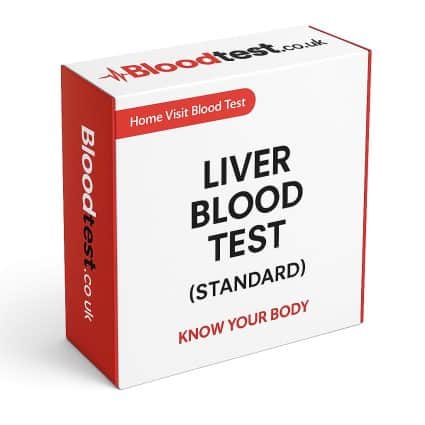

Early detection through these tests allows for timely intervention and ongoing monitoring of liver function, typically conducted in reputable clinics across the UK. This professional oversight throughout the process significantly enhances patient outcomes, ensuring that individuals receive the care they need to maintain optimal health.
Understanding the Different Types of Liver Tests Available
In the UK, various common tests are utilised to meticulously assess liver function. These tests include ALT (alanine aminotransferase), AST (aspartate aminotransferase), and bilirubin levels. Each of these tests plays a crucial role in detecting potential damage to liver tissue and ensuring that patients receive accurate and reliable results from certified laboratories. This thorough analysis aids in the development of effective health management strategies tailored to individual needs, empowering patients to take charge of their liver health.
Identifying Symptoms That Necessitate Testing
Symptoms such as jaundice, ongoing fatigue, and abdominal discomfort often indicate the necessity for a liver blood test. In the UK, healthcare professionals frequently recommend this essential test when patients display these concerning symptoms, thereby facilitating timely diagnoses. This proactive approach enables the formulation of personalised treatment plans tailored to address individual health needs, ultimately enhancing the overall quality of care and patient outcomes.
Comprehending the Step-by-Step Process of a Liver Blood Test
What Are the Essential Steps Involved in the Testing Process?
Undergoing a liver blood test involves several critical steps that patients should be aware of. Initially, a qualified healthcare professional will draw a blood sample from the patient’s arm, which is subsequently sent to a laboratory in the UK for comprehensive analysis. Upon receipt of the results, they are meticulously reviewed with a doctor, who provides an accurate interpretation of the findings. To prepare effectively for the test, patients should consider these essential tips:
- Fast for at least 8 hours before the test.
- Avoid alcohol consumption in the days leading up to the test.
- Inform your doctor about any medications or supplements you are currently taking.
- Stay well-hydrated to facilitate the blood draw process.
Why Is Regular Testing Essential for Continued Health Monitoring?
Regular liver blood testing plays a pivotal role in the ongoing monitoring of liver health over time. This practice allows for the early identification of changes that may lead to serious complications, crucial for maintaining overall wellbeing. In the UK, routine health check-ups and monitoring through liver blood tests can prevent the onset of severe liver disorders, thereby promoting proactive health management strategies that safeguard against potential health crises.
Who Should Consider Having a Liver Blood Test?
Individuals with specific risk factors, such as a history of alcohol use or a family history of liver disease, should strongly consider undergoing a liver blood test. UK medical guidelines frequently advocate such testing for these individuals to protect against liver diseases and support proactive care strategies. This approach ensures that any liver-related issues are detected early, allowing for prompt intervention and management to optimise health outcomes.
What Do Abnormal Results Suggest About Liver Health?
Abnormal findings from a liver blood test may indicate elevated levels of liver enzymes or bilirubin, suggesting the presence of conditions such as hepatitis, fatty liver disease, or cirrhosis. In the UK, healthcare professionals carefully interpret these results and guide further tests or treatment options as necessary. This thorough approach ensures early intervention and effective management of liver health, which is vital for patient wellbeing.
How Often Should the Test Be Repeated for Optimal Monitoring?
The frequency at which liver blood tests should be conducted primarily depends on individual health risks and specific medical advice. For those with known liver issues, healthcare providers may recommend testing every six to twelve months, in accordance with UK guidelines, to monitor changes in liver function and maintain optimal health over time. Regular testing is crucial for the early detection of potential complications, ensuring that patients remain well-informed about their liver health.
Expert Insights on the Significance of Liver Blood Testing in Exeter
How to Achieve Accurate Results from Liver Blood Tests
To attain accurate results from a liver blood test, patients should adhere to specific guidelines prior to the test. For example, fasting and avoiding certain medications can significantly affect the test outcomes. In Exeter’s specialised healthcare facilities, professionals often advise patients to:
- Refrain from eating for at least 8 hours before the test.
- Consult their doctor about discontinuing any medications that could influence liver function.
- Maintain hydration by drinking plenty of water.
- Prepare mentally for the blood draw, as anxiety can potentially affect results.
Real-world examples from UK practices demonstrate that individuals who follow these preparation steps tend to receive more reliable test results, significantly enhancing their overall healthcare experience and ensuring accurate assessment of liver health.
What Common Interpretations Are Made by Specialists?
Experts in the UK frequently interpret liver blood test results by focusing on the levels of specific enzymes, such as ALT and AST. Elevated enzyme levels often prompt further investigation into potential underlying liver issues, allowing specialists to provide tailored advice and treatment options. Such interpretations are essential for effectively addressing the root causes of liver concerns, highlighting the importance of professional consultation in managing liver health.
What Are the Advantages of Professional Consultations Following Test Results?
Consulting with specialists after receiving liver blood test results provides numerous benefits. Healthcare professionals can offer in-depth guidance regarding the implications of the test outcomes, assisting patients in Exeter in navigating various treatment options. Evidence-based recommendations ensure that patients understand their health status and the necessary steps for improvement, thereby enhancing their chances for successful management of liver health and overall wellbeing.
Why Are Liver Blood Tests Essential for Your Health?
How Can Liver Blood Tests Identify Early Problems?
A liver blood test is instrumental in detecting subtle changes in liver function, enabling early intervention to avert the onset of severe conditions. Within the UK healthcare system, early detection is vital for safeguarding long-term health and minimising complications associated with liver diseases. By identifying issues early, healthcare providers can implement timely strategies to effectively address potential problems, ultimately promoting better health outcomes for patients.
What Role Do Liver Blood Tests Play in Individual Treatment Plans?
This test significantly guides healthcare professionals in formulating personalised treatment strategies for patients. By closely monitoring liver function over time, doctors can make necessary adjustments to therapies, thereby improving patient outcomes. Success stories from the UK illustrate how timely interventions following abnormal test results have led to enhanced health trajectories for individuals diagnosed with liver-related issues:
- A patient diagnosed with fatty liver disease improved their overall health through lifestyle changes initiated after abnormal test results.
- Individuals with hepatitis experienced marked improvements in liver function through targeted therapies prompted by routine blood tests.
- Patients undergoing regular monitoring were able to prevent liver complications through proactive medical intervention.
- Early detection facilitated timely treatment, significantly enhancing the quality of life for many individuals.
Are There Long-Term Advantages to Regular Testing?
Ongoing liver blood testing supports better lifestyle choices and disease management, significantly reducing the risks of complications associated with liver diseases. By enabling individuals to make informed health decisions, these tests enhance overall quality of life and encourage a proactive approach to health management over time. This proactive strategy is essential for preventing chronic health issues and maintaining optimal liver function, ensuring patients remain healthy.
How Do Liver Blood Tests Assist in Monitoring Chronic Conditions?
Liver blood tests are vital for tracking chronic liver conditions such as hepatitis or cirrhosis. They enable healthcare providers to closely monitor enzyme levels, adjusting treatments as necessary to optimise patient care. In the UK, this ongoing monitoring is crucial for preventing disease progression, ultimately improving patient longevity and wellbeing through tailored health strategies.
What Preventive Health Advantages Do Liver Blood Tests Provide?
Liver blood tests facilitate the early detection of potential liver risks, encouraging individuals to adopt proactive lifestyle changes, such as reducing alcohol intake or embracing healthier diets, as advised by UK health authorities. Such preventive measures significantly diminish the burden of liver disease on both individuals and the healthcare system, underscoring the importance of comprehensive preventive health strategies in fostering community wellness.
Research-Backed Insights on Liver Blood Testing in Exeter
What Insights Do Recent Studies Provide About Liver Blood Tests?
Recent research conducted in the UK has demonstrated that liver blood tests can significantly lower mortality rates from liver diseases. Local interventions informed by these studies have yielded successful outcomes for at-risk populations. By implementing routine testing and follow-up care, healthcare providers in Exeter have observed marked improvements in patient health and longevity, emphasising the crucial role these tests play in effective liver health management.
What Key Findings Have Been Identified in Clinical Trials?
Clinical trials consistently show enhanced detection rates for liver conditions, with experts advocating routine screening as a best practice to improve patient outcomes. In Exeter, healthcare practices have adopted evidence-based strategies that incorporate liver blood testing into routine health assessments, ensuring comprehensive patient care and promoting early detection of potential liver issues.
What Are the Implications for Patient Care Based on Test Results?
Expert insights reveal that the outcomes of liver blood tests inform preventive measures, enabling healthcare providers to develop trusted strategies that integrate testing into regular health routines. This proactive approach not only improves individual health outcomes but also fosters a culture of early detection and intervention, ultimately benefiting the wider community by promoting better liver health awareness.
Why Opt for Exeter for Your Liver Blood Testing Needs?
What Factors Contribute to the Trustworthiness of Local Facilities?
Exeter’s clinics are equipped with state-of-the-art technology and staffed by experienced healthcare professionals, ensuring precise testing and rapid turnaround times. This reliability is paramount for effective patient care in the UK, as timely results can significantly influence treatment strategies and health outcomes, providing patients with the reassurance they need regarding their liver health.
How Does Accessibility Improve User Experience?
With conveniently located facilities and minimal wait times, residents of Exeter can readily access liver blood testing services. This ease of access makes it a practical choice for both routine and urgent liver health evaluations, supporting the community’s overall health and wellbeing while fostering a culture of proactive health management.
Is Affordable Testing Available in Exeter?
Exeter offers a variety of affordable, high-quality liver blood testing services, many of which are covered by the NHS. This financial accessibility enables individuals to manage their health needs without incurring excessive expenses. Commonly available packages for comparison include:
- Standard liver function test package
- Comprehensive metabolic panel
- Follow-up testing for chronic conditions
- Wellness screening packages
What Expertise Do Healthcare Professionals in Exeter Provide?
Healthcare professionals in Exeter specialise in liver diagnostics and possess advanced training coupled with years of experience. Their expertise ensures accurate interpretations of liver blood test results and provides tailored advice, significantly improving patient management and health outcomes across the UK. This level of professional care is invaluable for individuals seeking to understand and enhance their liver health.
How Does Exeter Ensure Patient Confidentiality?
In Exeter, strict adherence to data protection regulations guarantees the secure handling of medical records. This commitment to patient confidentiality fosters trust and encourages individuals to seek timely health checks without concerns regarding their privacy during liver blood tests. Patients can feel assured that their personal health information is managed with the utmost security and respect.
Preparing Thoroughly for Your Liver Blood Test
What Precautions Should You Observe Before the Test?
Before undergoing a liver blood test, patients must follow specific precautions to ensure accurate results. Adhering to guidelines, such as avoiding alcohol and certain foods leading up to the test, is essential for optimising testing outcomes. UK health experts recommend these measures to enhance the reliability of the results and ensure that healthcare providers can accurately assess liver function.
How to Interpret Your Test Results at Home?
While comprehending basic indicators from test results can empower patients, it is always advisable to consult healthcare professionals for a comprehensive interpretation and guidance on the next steps for managing liver health. Engaging in open communication with healthcare providers ensures that individuals fully understand their health status and the necessary actions to maintain optimal liver function.
What Follow-Up Procedures Should You Expect After the Test?
After receiving liver blood test results, scheduling follow-up appointments with your doctor is essential. These consultations provide an opportunity to discuss any necessary treatments or lifestyle changes required for ongoing care in the UK. This proactive approach guarantees that patients remain informed and engaged in managing their liver health, leading to improved long-term outcomes.
Frequently Asked Questions About Liver Blood Tests
What Is the Main Function of a Liver Blood Test?
A liver blood test measures enzymes and proteins in the blood to evaluate liver function and detect possible liver disease, providing crucial information for patient care.
How Long Does It Usually Take to Receive Results from a Liver Blood Test?
Typically, results from a liver blood test are available within a few days, depending on the laboratory’s processing times, ensuring timely feedback for patients.
Is Fasting Required Prior to a Liver Blood Test?
Yes, fasting for at least 8 hours before the test is generally recommended to ensure accurate results and minimise potential effects on liver function measurements.
What Do Elevated Liver Enzymes Indicate About Liver Health?
Elevated liver enzymes can indicate liver damage or inflammation, potentially suggesting conditions such as hepatitis or fatty liver disease, necessitating further medical evaluation.
Can I Eat Before Undergoing a Liver Blood Test?
It is advisable to avoid eating for 8 hours before the test to prevent interference with the results and ensure a clearer picture of liver function.
How Frequently Should I Have a Liver Blood Test?
The frequency of liver blood tests depends on individual health conditions but is often recommended every 6 to 12 months for those with known liver issues, allowing for effective monitoring.
Are Liver Blood Tests Considered Safe?
Yes, liver blood tests are generally safe, with minimal risks involved, such as slight discomfort from the blood draw, making them a routine part of health evaluations.
What Actions Should I Take if My Liver Blood Test Results Are Abnormal?
If the results are abnormal, it is crucial to consult with your healthcare provider for further evaluation and to develop a tailored treatment plan suited to your needs.
Are There Lifestyle Changes I Should Consider Based on My Test Results?
Yes, depending on the results, lifestyle changes such as reducing alcohol intake and improving your diet may be recommended to enhance liver health and overall wellbeing.
Where Can I Access Liver Blood Testing Services in Exeter?
Liver blood tests can be obtained at various clinics and hospitals throughout Exeter, many of which are equipped with advanced diagnostic tools and experienced staff dedicated to patient care.
Connect with us on Facebook today!
Discover the In-Depth Guide to Liver Blood Tests
What Is the Purpose of a Liver Blood Test?
Private Liver Blood Test in Exeter: A liver blood test serves as a vital diagnostic procedure that evaluates specific enzymes and proteins in the bloodstream, aiding in the detection of potential liver issues. This test is particularly important for diagnosing serious conditions like hepatitis or cirrhosis through the analysis of various distinct markers that indicate liver health. The results gleaned from these tests provide invaluable insights for both patients and healthcare providers, facilitating timely and effective medical interventions.
Early detection through these tests allows for timely intervention and ongoing monitoring of liver function, typically conducted in reputable clinics across the UK. This professional oversight throughout the process significantly enhances patient outcomes, ensuring that individuals receive the care they need to maintain optimal health.
Understanding the Different Types of Liver Tests Available
In the UK, various common tests are utilised to meticulously assess liver function. These tests include ALT (alanine aminotransferase), AST (aspartate aminotransferase), and bilirubin levels. Each of these tests plays a crucial role in detecting potential damage to liver tissue and ensuring that patients receive accurate and reliable results from certified laboratories. This thorough analysis aids in the development of effective health management strategies tailored to individual needs, empowering patients to take charge of their liver health.
Identifying Symptoms That Necessitate Testing
Symptoms such as jaundice, ongoing fatigue, and abdominal discomfort often indicate the necessity for a liver blood test. In the UK, healthcare professionals frequently recommend this essential test when patients display these concerning symptoms, thereby facilitating timely diagnoses. This proactive approach enables the formulation of personalised treatment plans tailored to address individual health needs, ultimately enhancing the overall quality of care and patient outcomes.
Comprehending the Step-by-Step Process of a Liver Blood Test
What Are the Essential Steps Involved in the Testing Process?
Undergoing a liver blood test involves several critical steps that patients should be aware of. Initially, a qualified healthcare professional will draw a blood sample from the patient’s arm, which is subsequently sent to a laboratory in the UK for comprehensive analysis. Upon receipt of the results, they are meticulously reviewed with a doctor, who provides an accurate interpretation of the findings. To prepare effectively for the test, patients should consider these essential tips:
- Fast for at least 8 hours before the test.
- Avoid alcohol consumption in the days leading up to the test.
- Inform your doctor about any medications or supplements you are currently taking.
- Stay well-hydrated to facilitate the blood draw process.
Why Is Regular Testing Essential for Continued Health Monitoring?
Regular liver blood testing plays a pivotal role in the ongoing monitoring of liver health over time. This practice allows for the early identification of changes that may lead to serious complications, crucial for maintaining overall wellbeing. In the UK, routine health check-ups and monitoring through liver blood tests can prevent the onset of severe liver disorders, thereby promoting proactive health management strategies that safeguard against potential health crises.
Who Should Consider Having a Liver Blood Test?
Individuals with specific risk factors, such as a history of alcohol use or a family history of liver disease, should strongly consider undergoing a liver blood test. UK medical guidelines frequently advocate such testing for these individuals to protect against liver diseases and support proactive care strategies. This approach ensures that any liver-related issues are detected early, allowing for prompt intervention and management to optimise health outcomes.
What Do Abnormal Results Suggest About Liver Health?
Abnormal findings from a liver blood test may indicate elevated levels of liver enzymes or bilirubin, suggesting the presence of conditions such as hepatitis, fatty liver disease, or cirrhosis. In the UK, healthcare professionals carefully interpret these results and guide further tests or treatment options as necessary. This thorough approach ensures early intervention and effective management of liver health, which is vital for patient wellbeing.
How Often Should the Test Be Repeated for Optimal Monitoring?
The frequency at which liver blood tests should be conducted primarily depends on individual health risks and specific medical advice. For those with known liver issues, healthcare providers may recommend testing every six to twelve months, in accordance with UK guidelines, to monitor changes in liver function and maintain optimal health over time. Regular testing is crucial for the early detection of potential complications, ensuring that patients remain well-informed about their liver health.
Expert Insights on the Significance of Liver Blood Testing in Exeter
How to Achieve Accurate Results from Liver Blood Tests
To attain accurate results from a liver blood test, patients should adhere to specific guidelines prior to the test. For example, fasting and avoiding certain medications can significantly affect the test outcomes. In Exeter’s specialised healthcare facilities, professionals often advise patients to:
- Refrain from eating for at least 8 hours before the test.
- Consult their doctor about discontinuing any medications that could influence liver function.
- Maintain hydration by drinking plenty of water.
- Prepare mentally for the blood draw, as anxiety can potentially affect results.
Real-world examples from UK practices demonstrate that individuals who follow these preparation steps tend to receive more reliable test results, significantly enhancing their overall healthcare experience and ensuring accurate assessment of liver health.
What Common Interpretations Are Made by Specialists?
Experts in the UK frequently interpret liver blood test results by focusing on the levels of specific enzymes, such as ALT and AST. Elevated enzyme levels often prompt further investigation into potential underlying liver issues, allowing specialists to provide tailored advice and treatment options. Such interpretations are essential for effectively addressing the root causes of liver concerns, highlighting the importance of professional consultation in managing liver health.
What Are the Advantages of Professional Consultations Following Test Results?
Consulting with specialists after receiving liver blood test results provides numerous benefits. Healthcare professionals can offer in-depth guidance regarding the implications of the test outcomes, assisting patients in Exeter in navigating various treatment options. Evidence-based recommendations ensure that patients understand their health status and the necessary steps for improvement, thereby enhancing their chances for successful management of liver health and overall wellbeing.
Why Are Liver Blood Tests Essential for Your Health?
How Can Liver Blood Tests Identify Early Problems?
A liver blood test is instrumental in detecting subtle changes in liver function, enabling early intervention to avert the onset of severe conditions. Within the UK healthcare system, early detection is vital for safeguarding long-term health and minimising complications associated with liver diseases. By identifying issues early, healthcare providers can implement timely strategies to effectively address potential problems, ultimately promoting better health outcomes for patients.
What Role Do Liver Blood Tests Play in Individual Treatment Plans?
This test significantly guides healthcare professionals in formulating personalised treatment strategies for patients. By closely monitoring liver function over time, doctors can make necessary adjustments to therapies, thereby improving patient outcomes. Success stories from the UK illustrate how timely interventions following abnormal test results have led to enhanced health trajectories for individuals diagnosed with liver-related issues:
- A patient diagnosed with fatty liver disease improved their overall health through lifestyle changes initiated after abnormal test results.
- Individuals with hepatitis experienced marked improvements in liver function through targeted therapies prompted by routine blood tests.
- Patients undergoing regular monitoring were able to prevent liver complications through proactive medical intervention.
- Early detection facilitated timely treatment, significantly enhancing the quality of life for many individuals.
Are There Long-Term Advantages to Regular Testing?
Ongoing liver blood testing supports better lifestyle choices and disease management, significantly reducing the risks of complications associated with liver diseases. By enabling individuals to make informed health decisions, these tests enhance overall quality of life and encourage a proactive approach to health management over time. This proactive strategy is essential for preventing chronic health issues and maintaining optimal liver function, ensuring patients remain healthy.
How Do Liver Blood Tests Assist in Monitoring Chronic Conditions?
Liver blood tests are vital for tracking chronic liver conditions such as hepatitis or cirrhosis. They enable healthcare providers to closely monitor enzyme levels, adjusting treatments as necessary to optimise patient care. In the UK, this ongoing monitoring is crucial for preventing disease progression, ultimately improving patient longevity and wellbeing through tailored health strategies.
What Preventive Health Advantages Do Liver Blood Tests Provide?
Liver blood tests facilitate the early detection of potential liver risks, encouraging individuals to adopt proactive lifestyle changes, such as reducing alcohol intake or embracing healthier diets, as advised by UK health authorities. Such preventive measures significantly diminish the burden of liver disease on both individuals and the healthcare system, underscoring the importance of comprehensive preventive health strategies in fostering community wellness.
Research-Backed Insights on Liver Blood Testing in Exeter
What Insights Do Recent Studies Provide About Liver Blood Tests?
Recent research conducted in the UK has demonstrated that liver blood tests can significantly lower mortality rates from liver diseases. Local interventions informed by these studies have yielded successful outcomes for at-risk populations. By implementing routine testing and follow-up care, healthcare providers in Exeter have observed marked improvements in patient health and longevity, emphasising the crucial role these tests play in effective liver health management.
What Key Findings Have Been Identified in Clinical Trials?
Clinical trials consistently show enhanced detection rates for liver conditions, with experts advocating routine screening as a best practice to improve patient outcomes. In Exeter, healthcare practices have adopted evidence-based strategies that incorporate liver blood testing into routine health assessments, ensuring comprehensive patient care and promoting early detection of potential liver issues.
What Are the Implications for Patient Care Based on Test Results?
Expert insights reveal that the outcomes of liver blood tests inform preventive measures, enabling healthcare providers to develop trusted strategies that integrate testing into regular health routines. This proactive approach not only improves individual health outcomes but also fosters a culture of early detection and intervention, ultimately benefiting the wider community by promoting better liver health awareness.
Why Opt for Exeter for Your Liver Blood Testing Needs?
What Factors Contribute to the Trustworthiness of Local Facilities?
Exeter’s clinics are equipped with state-of-the-art technology and staffed by experienced healthcare professionals, ensuring precise testing and rapid turnaround times. This reliability is paramount for effective patient care in the UK, as timely results can significantly influence treatment strategies and health outcomes, providing patients with the reassurance they need regarding their liver health.
How Does Accessibility Improve User Experience?
With conveniently located facilities and minimal wait times, residents of Exeter can readily access liver blood testing services. This ease of access makes it a practical choice for both routine and urgent liver health evaluations, supporting the community’s overall health and wellbeing while fostering a culture of proactive health management.
Is Affordable Testing Available in Exeter?
Exeter offers a variety of affordable, high-quality liver blood testing services, many of which are covered by the NHS. This financial accessibility enables individuals to manage their health needs without incurring excessive expenses. Commonly available packages for comparison include:
- Standard liver function test package
- Comprehensive metabolic panel
- Follow-up testing for chronic conditions
- Wellness screening packages
What Expertise Do Healthcare Professionals in Exeter Provide?
Healthcare professionals in Exeter specialise in liver diagnostics and possess advanced training coupled with years of experience. Their expertise ensures accurate interpretations of liver blood test results and provides tailored advice, significantly improving patient management and health outcomes across the UK. This level of professional care is invaluable for individuals seeking to understand and enhance their liver health.
How Does Exeter Ensure Patient Confidentiality?
In Exeter, strict adherence to data protection regulations guarantees the secure handling of medical records. This commitment to patient confidentiality fosters trust and encourages individuals to seek timely health checks without concerns regarding their privacy during liver blood tests. Patients can feel assured that their personal health information is managed with the utmost security and respect.
Preparing Thoroughly for Your Liver Blood Test
What Precautions Should You Observe Before the Test?
Before undergoing a liver blood test, patients must follow specific precautions to ensure accurate results. Adhering to guidelines, such as avoiding alcohol and certain foods leading up to the test, is essential for optimising testing outcomes. UK health experts recommend these measures to enhance the reliability of the results and ensure that healthcare providers can accurately assess liver function.
How to Interpret Your Test Results at Home?
While comprehending basic indicators from test results can empower patients, it is always advisable to consult healthcare professionals for a comprehensive interpretation and guidance on the next steps for managing liver health. Engaging in open communication with healthcare providers ensures that individuals fully understand their health status and the necessary actions to maintain optimal liver function.
What Follow-Up Procedures Should You Expect After the Test?
After receiving liver blood test results, scheduling follow-up appointments with your doctor is essential. These consultations provide an opportunity to discuss any necessary treatments or lifestyle changes required for ongoing care in the UK. This proactive approach guarantees that patients remain informed and engaged in managing their liver health, leading to improved long-term outcomes.
Frequently Asked Questions About Liver Blood Tests
What Is the Main Function of a Liver Blood Test?
A liver blood test measures enzymes and proteins in the blood to evaluate liver function and detect possible liver disease, providing crucial information for patient care.
How Long Does It Usually Take to Receive Results from a Liver Blood Test?
Typically, results from a liver blood test are available within a few days, depending on the laboratory’s processing times, ensuring timely feedback for patients.
Is Fasting Required Prior to a Liver Blood Test?
Yes, fasting for at least 8 hours before the test is generally recommended to ensure accurate results and minimise potential effects on liver function measurements.
What Do Elevated Liver Enzymes Indicate About Liver Health?
Elevated liver enzymes can indicate liver damage or inflammation, potentially suggesting conditions such as hepatitis or fatty liver disease, necessitating further medical evaluation.
Can I Eat Before Undergoing a Liver Blood Test?
It is advisable to avoid eating for 8 hours before the test to prevent interference with the results and ensure a clearer picture of liver function.
How Frequently Should I Have a Liver Blood Test?
The frequency of liver blood tests depends on individual health conditions but is often recommended every 6 to 12 months for those with known liver issues, allowing for effective monitoring.
Are Liver Blood Tests Considered Safe?
Yes, liver blood tests are generally safe, with minimal risks involved, such as slight discomfort from the blood draw, making them a routine part of health evaluations.
What Actions Should I Take if My Liver Blood Test Results Are Abnormal?
If the results are abnormal, it is crucial to consult with your healthcare provider for further evaluation and to develop a tailored treatment plan suited to your needs.
Are There Lifestyle Changes I Should Consider Based on My Test Results?
Yes, depending on the results, lifestyle changes such as reducing alcohol intake and improving your diet may be recommended to enhance liver health and overall wellbeing.
Where Can I Access Liver Blood Testing Services in Exeter?
Liver blood tests can be obtained at various clinics and hospitals throughout Exeter, many of which are equipped with advanced diagnostic tools and experienced staff dedicated to patient care.
Connect with us on Facebook today!
This Article Was First Found On https://bloodtest.co.uk
The Article Liver Blood Test Essentials for Exeter Residents found first on https://electroquench.com