Master the Art of Browning Butter for Culinary Excellence
Become a Skilled Chef in the Craft of Browning Butter
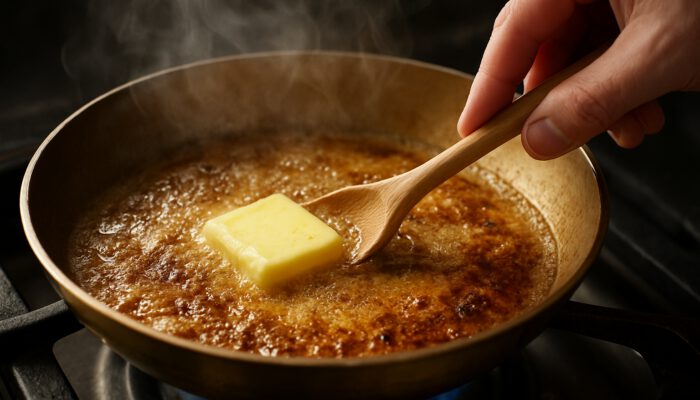
Mastering the art of browning butter is a remarkable culinary skill that involves the careful heating of butter until its milk solids caramelise, resulting in a rich, nutty flavour that can elevate a wide variety of dishes. This intricate technique demands patience, attentive stirring, and careful observation to prevent burning, transforming butter into an essential ingredient that enhances both sweet and savoury recipes. It is crucial to maintain a stable heat and watch for visual indicators during the browning process. Here are the essential steps to perfect that coveted brown:
- Select a heavy-bottomed pan to ensure even heat distribution.
- Cut the butter into uniform pieces to guarantee consistent melting.
- Begin with medium heat for better control over the browning.
- Stir continuously to promote even cooking and prevent burning.
- Achieve a beautiful golden hue and a nutty aroma, signalling completion.
- Remove from heat immediately to avoid over-browning.
- Allow the butter to cool slightly before incorporating it into your recipes.
The transformation of butter throughout this browning process not only enriches flavour profiles but also opens up a world of culinary creativity. This technique is highly esteemed in kitchens across the globe, from the bustling food markets of Marrakech to the tranquil countryside of Provence, where the skill of enhancing dishes through this straightforward yet profound method is deeply valued.
What Factors Affect the Time Needed for Browning Butter?
Several factors influence the time required for browning butter, with the quality of the butter being particularly significant. Butters with a higher fat content generally take longer to brown than those with lower fat content. Additionally, the type of pan you utilise has a crucial impact; lighter pans tend to facilitate quicker browning due to their superior heat conduction, while heavier pans may require more time but offer more consistent results.
When browning butter, it is essential to monitor the process closely to achieve outstanding results. Employing effective techniques for monitoring can help you attain perfect browning:
- Listen for changes in sound; it will shift as the moisture evaporates.
- Watch for colour transitions, progressing from pale yellow to a rich golden brown.
- Inhale the nutty aroma; this is a key indicator of progress.
- Keep a spatula handy to scrape the bottom of the pan for any solids that may stick.
Understanding these factors empowers cooks to adjust their methods accordingly. Whether working in a vibrant kitchen in Tokyo or a rustic farmhouse in Tuscany, these insights will ensure your browned butter enriches your dishes deliciously and effectively.
What Safety Precautions Should Be Taken When Browning Butter?
Browning butter, while generally straightforward, requires specific safety precautions to ensure a smooth cooking experience. Always use heat-resistant utensils, such as silicone spatulas or wooden spoons, to prevent melting or burning your tools. It is essential to remain aware of smoke points; once the butter begins to smoke, it is nearing the burning threshold, which can lead to splattering and potential fire hazards.
To enhance your cooking experience while minimising risks, consider the following vital safety tips:
- Select a pan with a stable base to prevent tipping.
- Keep a fire extinguisher or a lid nearby to extinguish any flames.
- Maintain a tidy cooking space to avoid accidents.
- Never leave the butter unattended; stay engaged throughout the process.
These safety measures are invaluable, especially in the high-pressure culinary environments of busy restaurants around the world. By prioritising safety, you can focus on creating delicious, perfectly browned butter that enhances your culinary creations and delights your diners.
How Does Browning Butter Amplify Flavours in Cooking?
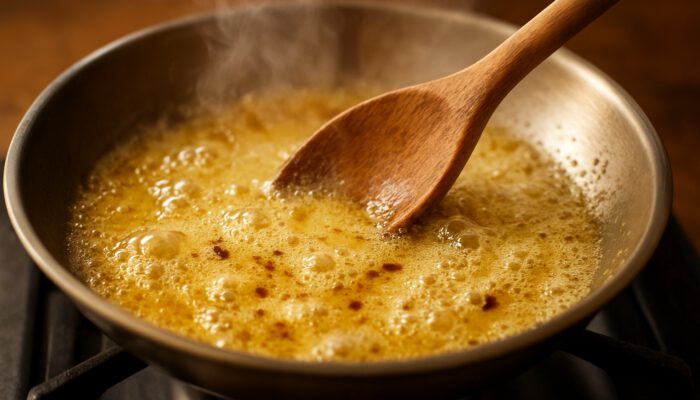
Exploring the Transformative Effects of Browning
The process of browning butter results in extraordinary flavour transformations that can elevate a dish from ordinary to extraordinary. As the butter heats, its compounds break down and undergo chemical changes, releasing deeper, toasty notes often described as nutty and savoury. This transformation enriches the overall flavour profile, providing a straightforward method to introduce complexity without needing additional ingredients.
Across various culinary traditions, from the rich sauces of French cuisine to the comforting baked goods of American baking, browned butter serves as a secret ingredient that enchants the palate. It harmonises beautifully with both savoury and sweet elements, amplifying underlying flavours and creating a distinctive richness. The depth achieved from properly browned butter can transform a simple dish into a gourmet experience, making it a cherished technique among chefs and home cooks alike.
Moreover, the versatility of browned butter allows its incorporation in numerous culinary contexts. Whether drizzled over vegetables, mixed into pastry dough, or blended into creamy sauces, its ability to deepen flavour profiles makes it an indispensable asset in any kitchen.
How to Skillfully Incorporate Browned Butter into Diverse Recipes
Browning butter can be seamlessly integrated into a wide array of recipes, serving as a foundational element that enhances richness and complexity. From sauces to baked goods, the possibilities are virtually limitless. For instance, in Italian cuisine, browned butter is frequently used in pasta dishes, forming a sumptuous base that perfectly complements ingredients like sage or garlic.
In baking, such as in cookies, incorporating browned butter yields a chewier texture and a robust flavour, converting an ordinary recipe into something remarkable. Its addition to classics like chocolate chip cookies or blondies provides that sought-after depth, ensuring that diners return for seconds.
Here are some typical applications for browned butter:
- In sauces, it serves as a base for cream or cheese, enriching the overall dish.
- In baking, it enhances flavour in cookies, cakes, and muffins.
- Drizzled over vegetables, it elevates their natural sweetness and flavour.
- In savoury dishes, it acts as a finishing touch, adding complexity and richness.
These applications highlight how browned butter can transform everyday meals into unforgettable culinary experiences. From bustling food markets in Bangkok to family kitchens in Mexico City, the rich flavour of browned butter resonates with cooks around the globe.
What Are the Indicators of Perfectly Browned Butter?
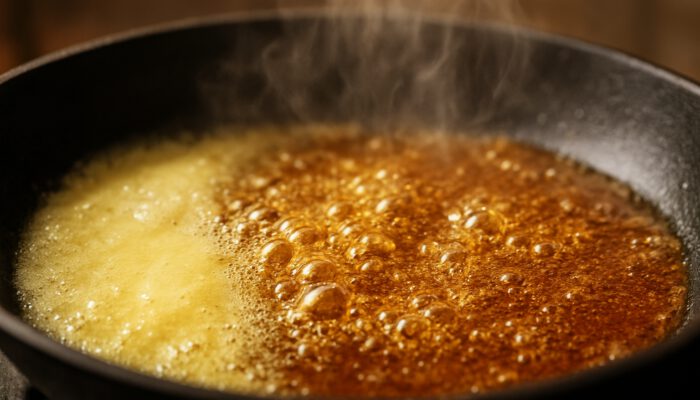
Achieving perfectly browned butter requires keen observation and a bit of practice, but several indicators can guide cooks toward success. One of the first signs is a colour change; as the butter melts, it shifts from a pale yellow to a beautiful golden hue. This visual cue indicates that the browning process is underway.
Another essential indicator is the aroma. Perfectly browned butter emits a lovely, nutty scent, signalling the flavour it will impart to your dishes. When you catch a whiff of that distinctive aroma wafting from your pan, you know you are approaching the ideal state of browning.
To perfect the browning process, keep these signs in mind:
- A golden hue is crucial; avoid any signs of dark brown or black.
- The nutty aroma should be pronounced but not burnt, indicating proper caramelisation.
- Look for small brown flecks at the bottom of the pan, signalling that the milk solids have finished cooking.
- Remove from heat immediately when these indicators are present to prevent overcooking.
By focusing on these signs, you can achieve the perfect balance that prevents under- or over-browning, ensuring exquisite results every time. Mastery of this technique can distinguish a good dish from a great one, showcasing the transformative power of browned butter in kitchens worldwide.
Understanding the Science Behind Browning Butter
The browning of butter is a fascinating process grounded in the Maillard reaction, a complex series of chemical reactions that occur when proteins and sugars are exposed to heat. As the butter heats, the milk solids caramelise, breaking down into compounds that yield a rich array of flavours, including nuttiness and depth. This transformation significantly enriches dishes by adding both depth and aroma, making browned butter a beloved ingredient in kitchens around the world.
In many Australian kitchens, for instance, browned butter is often seamlessly integrated into both sweet and savoury recipes without drastically altering the basic ingredients. This ability to enhance flavour complexity while retaining simplicity is part of what makes browned butter such a treasured technique.
Grasping the science behind browning butter empowers cooks to embrace the methodology with confidence. The presence of these newly formed compounds elevates the taste experience, making it a favourite not only in home cooking but also among professional chefs striving to impress with their flavour profiles.
Expert Strategies for Successfully Browning Butter at Home
To achieve optimal results when browning butter at home, several strategies and techniques can greatly enhance your culinary experience. Firstly, using a heavy-based pan is essential, as it ensures even heat distribution and prevents hotspots that can lead to burning. Choosing the right butter is also important; in Australia, local, fresh butter is preferred, as it typically yields a superior golden colour and a fragrant scent that enhances flavours in everything from traditional Anzac biscuits to rich pasta sauces.
When beginning the browning process, cut your butter into uniform pieces to facilitate even melting. Start with medium heat to allow the butter to melt slowly before slightly increasing the heat. This controlled approach helps prevent burning and ensures that you achieve that desirable nutty flavour.
Consider these additional tips for successful browning:
- Use a light-coloured pan to better observe the colour change.
- Stir consistently; this promotes even cooking and prevents milk solids from sticking.
- Be patient; do not rush the process to achieve the perfect brown.
- Remove from heat once the desired colour and aroma are reached to avoid carryover cooking.
By implementing these strategies, you can elevate your browning technique and produce consistently delightful results. Whether preparing a gourmet dish or a comforting family meal, the right approach to browning butter will undoubtedly enhance your culinary creations.
Insights from Culinary Experts on Optimal Browning Techniques
Selecting the Ideal Cookware for Browning Butter
Choosing the right cookware is crucial for successfully browning butter. The type of pan selected can significantly influence the browning process and the final flavour of your butter. Heavy-bottomed pans are highly recommended due to their ability to distribute heat evenly, which is essential for avoiding hot spots that can lead to uneven browning or burning.
When selecting cookware, consider stainless steel or cast iron as both materials retain heat effectively. These materials not only enhance the browning process but also contribute to overall flavour development. The weight of the pan is important; a heavier pan provides the stability needed to maintain a consistent temperature throughout the cooking process, allowing for better control of browning.
Here are some additional tips for selecting the right cookware:
- Opt for a light-coloured pan to easily monitor colour changes.
- A non-stick pan may not be ideal, as it can inhibit browning.
- Ensure the cookware is suitable for high temperatures to withstand the heat required for browning.
- Choose a pan with a comfortable handle that stays cool to the touch for added safety.
By making informed decisions about cookware, you can set the stage for achieving beautifully browned butter. This foundational choice plays a pivotal role in the quality of your final product, enhancing flavour and satisfaction in your culinary creations.
What Are the Best Practices for Maintaining Utensil Hygiene?
Ensuring the hygiene and cleanliness of your cooking tools is vital for achieving optimal results in the kitchen, especially when browning butter. Proper cleaning and storage of cookware, utensils, and other tools can guarantee their effectiveness, keeping them free of residue that could impact future browning efforts.
After each use, wash your tools with hot, soapy water to eliminate any remnants of butter or other ingredients. For stubborn residues, consider using a non-abrasive sponge to avoid scratching your cookware. Furthermore, always dry your tools thoroughly before storing them to prevent moisture from leading to rust or mould.
Here are some best practices for utensil hygiene:
- Store utensils in a clean, dry place to avoid contamination.
- Regularly inspect for any signs of wear and replace tools as necessary.
- Consider using a sanitising solution periodically for added cleanliness.
- Utilise dedicated storage for different types of tools to keep your workspace organised.
By maintaining proper hygiene, you ensure that each attempt at browning yields the best possible results. This diligence not only contributes to excellent flavour but also promotes a safe and enjoyable cooking environment.
Alternative Methods for Newcomers to Brown Butter
For those new to browning butter, using simpler tools can make the process more accessible and less daunting. A microwave-safe bowl, for example, can serve as an excellent alternative for small batches of browned butter. This method allows beginners to experiment without fear of burning while still producing a delicious end product.
To brown butter in the microwave, cut the butter into smaller pieces and place it in a microwave-safe bowl. Heat the butter in short bursts, stirring in between to ensure even melting and browning. This approach is particularly suitable for individuals who may not have access to a stove or prefer a quicker method.
Here are actionable steps for tool selection to enhance the user experience:
- Start with a microwave-safe glass or ceramic bowl for visual monitoring.
- Use a silicone spatula for mixing to avoid scratching the bowl.
- Choose a microwave with adjustable power settings to control the cooking process effectively.
- Keep a timer handy to avoid overcooking or burning the butter.
By utilising these alternative methods, beginners can build confidence in their browning techniques while creating delicious, complex flavours in their cooking. This method of experimentation fosters growth and encourages ongoing culinary exploration.
What Tools Are Essential for Effective Browning of Butter?
The right tools can significantly enhance your ability to brown butter effectively and efficiently. When it comes to browning, several essential items can simplify the process and lead to successful outcomes.
Firstly, a heavy-bottomed skillet or saucepan is paramount. This type of cookware distributes heat evenly and helps prevent burning, which is crucial when aiming for that perfect nutty flavour. A wooden spoon or a silicone spatula is also necessary for stirring, as these tools allow you to scrape the bottom of the pan and keep the milk solids moving, which is key to achieving even browning.
It is also beneficial to have a light-coloured pan, as it makes it easier to monitor colour changes, giving you better control over the browning process. Additionally, a heatproof thermometer can help ensure you maintain the right temperature throughout, preventing accidental scorching or burning.
Consider these essential tools when preparing to brown butter:
- A heavy-bottomed skillet for even heat distribution.
- A wooden spoon or silicone spatula for stirring.
- A light-coloured pan for better visibility during the browning process.
- A heatproof thermometer for accurate temperature monitoring.
By gathering these essential tools, you set yourself up to achieve perfectly browned butter, which can enhance your culinary creations across a range of dishes. Whether you're a novice cook or an experienced chef, having the right tools can make all the difference in achieving outstanding results.
Research-Backed Benefits of Browning Butter
What Nutritional Benefits Are Associated with Browning Butter?
Browning butter not only enhances flavours but also offers potential nutritional advantages. The browning process can concentrate certain nutrients, making the resulting butter more flavourful while remaining suitable for various dietary needs. The caramelisation that occurs during browning may even increase the bioavailability of certain beneficial compounds in butter.
For health-conscious individuals, incorporating browned butter into their diet in moderation can provide a satisfying, indulgent option without straying too far from healthier cooking practices. This approach aligns with a growing trend in culinary practices worldwide, where balancing rich flavours with nutritional considerations is increasingly valued.
Here are some key nutritional advantages of browned butter:
- Concentrated flavours can reduce the quantities needed in recipes.
- Enhanced taste may encourage the use of healthier ingredients.
- Potential for greater nutrient absorption due to the caramelisation process.
- Provides satisfaction and enjoyment without excessive use of other fats.
Understanding these benefits helps cooks appreciate the role browned butter can play in creating delicious meals that align with their nutritional goals, making it a versatile ingredient across various culinary traditions.
How Does Browning Enhance Texture in Dishes?
Browning butter not only alters its flavour but also significantly improves texture in recipes. The process creates a smoother, more integrated texture that enhances the mouthfeel of both sweet and savoury dishes. This improved texture can make a substantial difference in the overall enjoyment of a meal, transforming a standard recipe into a delightful culinary experience.
In baked goods, for instance, incorporating browned butter yields a chewier texture that is highly sought after. The caramelised milk solids enhance the structure of cookies and cakes, leading to a superior crumb and moisture retention. Similarly, in sauces or soups, browned butter can create a velvety finish that elevates the mouthfeel, contributing to an overall feeling of satisfaction with the dish.
Consider these aspects of how browning improves texture:
- Creates a richer mouthfeel in baked goods and sauces.
- Enhances moisture retention, preventing dryness in cookies and cakes.
- Improves the overall consistency of creamy sauces, offering a luxurious finish.
- Contributes to a more satisfying experience in both sweet and savoury applications.
By embracing the textural benefits of browned butter, cooks can significantly elevate their dishes, allowing for a more enjoyable dining experience. This technique resonates globally, inspiring chefs to innovate and refine their culinary offerings continually.
What Are the Best Practices for Storing Browned Butter Long-Term?
Properly storing browned butter is crucial for preserving its qualities and maintaining its freshness over extended periods. When executed correctly, you can prolong the shelf life of browned butter, allowing you to relish its rich flavours in future recipes.
The best practice for storing browned butter involves allowing it to cool completely before transferring it to an airtight container. This step prevents moisture accumulation, which can lead to spoilage. Once sealed, browned butter can be stored in the refrigerator for up to a month or in the freezer for several months, depending on your needs.
Here are some expert tips for long-term storage of browned butter:
- Label the container with the date to monitor freshness.
- Use glass or BPA-free plastic containers for safe storage.
- Consider portioning into smaller amounts for easier use later.
- Always allow the butter to cool before sealing to prevent condensation.
Following these tips will help preserve the flavour and usability of your browned butter, making it easy to incorporate into future culinary creations. This foresight can be particularly advantageous for busy cooks who want to have a flavourful ingredient readily available.
What Enhanced Antioxidant Properties Does Browning Butter Offer?
The process of browning butter through the Maillard reaction not only enhances its flavour but also boosts its antioxidant properties. Research suggests that the chemical changes during browning can produce beneficial compounds that enhance the antioxidant profile. This increase in antioxidants may offer health benefits, such as reduced oxidative stress and improved cellular protection, making browned butter a valuable addition to a balanced diet.
Incorporating browned butter into your meals can be a delightful way to enjoy these potential health benefits while also indulging in rich, complex flavours. The combination of taste and nutrition meets the needs of modern culinary enthusiasts who seek to balance indulgence with health considerations.
Here are some insights into the antioxidant properties of browned butter:
- Potential for reduced oxidative stress through increased antioxidant compounds.
- Enhances the nutritional profile of dishes while adding rich flavours.
- May support overall wellness when included as part of a balanced diet.
- Offers a flavourful alternative to other fats or oils in cooking.
Understanding the enhanced properties of browned butter empowers cooks to appreciate its value beyond flavour, making it an appealing choice for diverse culinary applications worldwide.
How Does Browning Butter Impact Flavour Development?
The impact of browning butter on flavour development is profound and multifaceted. Through the chemical changes that occur during the browning process, complex flavours are created, significantly enhancing the enjoyment of cooking and eating. The nuttiness and depth resulting from this technique can elevate even the simplest of meals, making them more satisfying.
Studies have shown that the caramelisation of sugars and the breakdown of proteins during browning lead to a more intricate flavour profile. This depth can aid in appetite control, encouraging better dietary habits and meal satisfaction. When meals are more flavourful, they tend to be more enjoyable, promoting a positive relationship with food.
Consider the following aspects of flavour development through browning:
- Creates a complex and layered flavour profile in dishes.
- Enhances overall meal satisfaction, leading to positive dining experiences.
- Encourages using fewer ingredients, simplifying cooking.
- Promotes mindful eating by focusing on flavour and quality.
By recognising the impact of browned butter on flavour, cooks can harness this technique to create culinary experiences that resonate, enhance enjoyment, and encourage healthier eating patterns across various cuisines.
Why Is Temperature Control Crucial in Browning Butter?
Effectively Monitoring Heat Levels
Effective temperature control is paramount when browning butter. Maintaining the right heat level is crucial to achieving the desired golden colour without scorching. Keeping a close eye on the temperature helps prevent the butter from burning, which can ruin its flavour and make it unusable.
When browning butter, it’s best to start with medium heat to allow the butter to melt uniformly. As the process progresses and the milk solids begin to caramelise, you may need to adjust the heat slightly to ensure that the temperature does not spike.
Here are some strategies for effective heat level monitoring:
- Use a stovetop with consistent heat output for better control.
- Keep a close watch on the colour change to gauge the browning process.
- Listen for the sound of bubbling, indicating that moisture is evaporating.
- Utilise a thermometer to check the temperature as necessary.
By mastering heat levels, you can achieve that perfect, nutty flavour and rich colour that characterise beautifully browned butter. This attention to detail distinguishes accomplished cooks and elevates their dishes, whether in a bustling café or a home kitchen.
What Are the Consequences of Inconsistent Heat?
Inconsistent heat can lead to uneven browning when butter is being browned, with potentially detrimental effects on flavour and texture. Fluctuations in temperature may cause the butter to brown unevenly, resulting in patches of burnt or undercooked butter, which compromises the end product.
If the heat is too high, the milk solids may burn before achieving the desired caramelisation, leading to an unpleasant bitterness that can spoil the overall dish. Conversely, too low a heat may prolong the browning process and hinder the development of those sought-after flavours.
Consider these issues related to inconsistent heat:
- Uneven browning can create a mix of burnt and unflavoured areas in the final product.
- Increased risk of burning requires closer attention and adjustments.
- The overall quality of the dish may suffer, diminishing the cooking experience.
- Cooking times may become unreliable, complicating meal preparation.
Understanding the importance of maintaining consistent heat can significantly enhance your browning technique. By focusing on temperature control, you can achieve reliable, flavourful results in any culinary context.
How to Balance Heat for Different Quantities of Butter?
When browning butter, the quantity used can greatly affect the heat required for optimal results. Adjusting heat levels and cooking time based on the amount of butter ensures even browning and prevents burning.
For smaller batches, a moderate heat setting may suffice, while larger quantities may require a slight increase in temperature to maintain consistent browning. It’s essential to remember that larger quantities will take longer to heat, so patience is crucial to achieving the right results.
Here are some strategies for balancing heat with different quantities:
- For smaller amounts, use medium heat to allow for controlled browning.
- For larger batches, consider gradually increasing the heat but never rushing the process.
- Stir more frequently with larger quantities to ensure all milk solids are evenly cooked.
- Monitor closely for colour changes, adjusting timing and temperature as needed.
By mastering the art of balancing heat for various quantities, you can maintain quality across a variety of recipes, whether preparing a single serving or a larger family meal. This adaptability is essential for cooks seeking to create consistently delicious results.
What Role Do Thermometers Play in Precise Temperature Management?
Utilising thermometers to manage temperature precisely when browning butter can lead to consistently excellent results. Accurate readings allow you to maintain optimal heat levels and avoid the pitfalls of burning or undercooking.
A digital probe thermometer can be particularly useful in monitoring the temperature of the butter as it heats. This tool provides real-time feedback, enabling you to make necessary adjustments to heat settings and ensure you stay within the ideal range for successful browning.
Consider these benefits of using thermometers:
- Allows for accurate monitoring of temperature throughout the browning process.
- Helps avoid burn risks by alerting you when temperatures are too high.
- Facilitates consistency across various batches, enhancing reliability.
- Supports a better understanding of how temperature affects browning outcomes.
By incorporating thermometers into your browning technique, you can refine your skills and achieve perfect results every time, making it an invaluable tool in any kitchen, whether for home chefs or professional cooks in bustling city restaurants.
How Does Temperature Control Contribute to Energy Efficiency and Sustainability?
Effectively managing heat not only contributes to better cooking results but also promotes energy efficiency and sustainability. Properly controlling the temperature can reduce energy waste, lower costs, and decrease your environmental impact.
In regions like Australia, where electricity prices can vary, precise heat management enables quicker cooking with less power, allowing cooks to achieve perfect results while being mindful of energy consumption. This practice is increasingly important for eco-conscious consumers who seek to minimise their carbon footprint while enjoying culinary pursuits.
Consider these aspects of temperature control for efficiency:
- Using medium heat settings can often yield the best results with minimal energy use.
- Batch cooking reduces overall energy consumption compared to preparing multiple single servings.
- Utilising energy-efficient appliances helps lower electricity costs.
- Being mindful of cooking times can reduce waste and promote sustainability.
By following these practices, cooks can contribute to a more sustainable kitchen environment while still achieving delicious results. This approach aligns with a growing global focus on sustainability, making it a valuable consideration in today's cooking landscape.
Advanced Techniques for Mastering the Art of Browning Butter
How to Incorporate Add-Ins for Enhanced Flavour
For those looking to elevate their browning technique, adding complementary ingredients can create exciting new flavour profiles and enhance your dishes. Experimenting with herbs, spices, or even aromatics during the browning process can add layers of complexity, transforming standard recipes into something truly exceptional.
For instance, adding a sprig of fresh rosemary or sage to the butter as it browns can infuse the fat with aromatic notes, creating a delightful enhancement for sauces or roasted vegetables. Similarly, a pinch of smoked paprika can impart depth to savoury dishes, while a sprinkle of cinnamon can elevate the sweetness in baked goods.
Here are some ideas for incorporating add-ins:
- Add fresh herbs like thyme or basil for savoury notes.
- Introduce spices such as nutmeg or cinnamon for sweet applications.
- Consider a splash of citrus juice or zest for brightness.
- Experiment with a bit of garlic or shallots for a robust savoury touch.
By infusing your browned butter with these add-ins, you can create dishes that resonate with unique flavours, delight the senses, and enhance overall satisfaction with your culinary creations.
What Strategies Can I Use to Scale Up for Larger Batches?
Scaling up your browning technique for larger batches requires careful timing and adjustments to pan size to maintain quality. When preparing to brown larger quantities of butter, it is essential to account for the longer cooking time and control the heat effectively to avoid scorching.
For larger amounts, use a wider, heavier pan that provides ample surface area for even heat distribution. This approach will help ensure the milk solids caramelise uniformly and prevent any hot spots that could lead to burning. Additionally, stirring more frequently becomes critical with larger batches to ensure all portions of the butter are adequately cooked.
Here are strategies for scaling up successfully:
- Select a larger, heavy-bottomed pan to accommodate the increased volume.
- Increase the heat slightly, but monitor closely to avoid rapid burning.
- Stir frequently and check for colour changes to ensure even browning.
- Adjust your timing based on the batch size and the heat applied.
By implementing these strategies, you can confidently scale your browning technique for larger meals, whether for family gatherings or dinner parties. This adaptability showcases your culinary skills and ensures everyone enjoys the rich flavours that browned butter brings.
How to Troubleshoot Common Issues When Browning Butter?
While browning butter can be a straightforward process, occasional issues may arise that can hinder your results. Troubleshooting common problems is vital for refining your technique and achieving more successful browning outcomes every time.
One common issue is separation, where the butter may split instead of browning smoothly. This can occur if the heat is too high or the butter isn’t stirred well enough. If you find yourself facing separation, lower the heat and stir continuously to bring the mixture back together.
Here’s a quick list of common issues and their fixes:
- Burnt Butter: Lower the heat immediately and remove from the pan.
- Separation: Stir constantly and reduce the heat to allow even blending.
- Uneven Browning: Use a larger pan and stir more frequently.
- Too Much Smoke: Reduce the heat as the butter nears browning to prevent burning.
By familiarising yourself with these common issues and their solutions, you can troubleshoot effectively and continue improving your browning techniques. This proactive approach will lead to more consistent and delightful results in your culinary endeavours.
What Common Mistakes Should Be Avoided When Browning Butter?
Why Is Initial Preparation Crucial in Browning Butter?
One of the most overlooked aspects of browning butter is the initial preparation. Failing to soften the butter properly can lead to uneven browning, resulting in a combination of burnt and unbrowned areas. Starting with the correct consistency is vital for smooth results, as cold butter will not melt evenly.
Before beginning, ensure your butter is at room temperature to allow for efficient melting. Cutting it into even pieces further aids in achieving uniform results. This small step can make a significant difference in the outcome of your browned butter.
Consider these initial preparation tips:
- Cut butter into even pieces for uniform melting.
- Allow butter to sit at room temperature for optimal consistency.
- Weigh or measure accurately if using for larger batches.
- Choose fresh butter for the best flavour and results.
By taking the time to prepare your butter correctly, you set the stage for successful browning, ensuring the final product is rich and flavourful. This attention to detail elevates your cooking, whether you're in a bustling kitchen in New York or a quiet home kitchen in Buenos Aires.
How to Avoid Neglecting Stirring Techniques?
Inadequate stirring during browning can lead to burnt butter and unsatisfactory results. Constant motion is essential for distributing heat evenly and preventing milk solids from sticking to the bottom of the pan, where they are more likely to burn.
To achieve the best outcome, stir continuously with a spatula or wooden spoon, ensuring that every part of the butter is exposed to the heat. This technique helps maintain even browning and allows you to catch any potential burning before it ruins the mixture.
Here are some stirring techniques to consider:
- Stir consistently throughout the entire browning process.
- Scrape the bottom of the pan frequently to prevent burning.
- Use a tool with a flat edge for effective scraping.
- Be attentive to changes in sound and aroma during stirring.
By focusing on your stirring techniques, you can greatly improve the quality of your browned butter, ensuring that it enhances your dishes beautifully. This diligence is especially paramount in professional kitchens, where consistency is key.
What Storage Practices Should Be Followed After Browning Butter?
After browning butter, improper storage practices can lead to spoilage and diminished quality. It’s essential to cool and seal the butter correctly to maintain its rich flavour and usability over time.
If left exposed to air, browned butter can oxidise, resulting in off-flavours and a decreased shelf life. Once the browning process is complete, transfer the butter to an airtight container and refrigerate or freeze it for future use.
Consider these storage tips for maintaining quality:
- Allow the butter to cool completely before sealing.
- Use airtight containers to prevent oxidation.
- Label with the date to keep track of freshness.
- Store in the refrigerator for short-term use, and freeze for long-term storage.
By following these storage practices, you can ensure that your browned butter remains delicious and ready to enhance your culinary creations for weeks to come.
How to Avoid Overlooking Temperature Control?
Failing to monitor the heat properly during the browning process is a common mistake among cooks, often leading to burnt or unevenly browned butter. This can result in an unpleasant taste that detracts from the overall quality of the dish.
To achieve the best results, it’s crucial to keep a close watch on the temperature throughout the process. Starting with medium heat and making adjustments as necessary based on visual cues can help prevent burning. Always use a thermometer when in doubt to maintain accuracy.
Here are some temperature control tips:
- Regularly check heat levels to ensure consistency.
- Adjust the stove to maintain even temperatures throughout.
- Monitor visual changes closely at every stage of browning.
- Utilise a thermometer to manage temperature precisely.
By prioritising temperature control, you can drastically improve your browning technique and enjoy the benefits of beautifully browned butter in your cooking. This practice is essential, whether preparing a casual family meal or an elaborate dish for a special occasion.
What Butter Type Should Be Avoided for Browning?
Selecting the wrong type of butter for browning can significantly affect the flavour and texture of your final product. For instance, using unsalted butter instead of clarified butter may lead to a less desirable outcome, as the salt content can interfere with caramelisation.
When selecting butter for browning, opt for high-quality, unsalted butter with a higher fat content. This type of butter yields better results, allowing for a more pronounced nutty flavour and a smoother texture when browned.
Consider these tips for butter selection:
- Select unsalted butter to control salt levels in your recipes.
- Prefer higher-fat content butters for optimal browning.
- Use fresh, quality butter for the best flavour.
- Avoid margarine or spreads, as they contain water and emulsifiers that hinder browning.
By carefully selecting the right type of butter, you can avoid disappointing outcomes and ensure your browned butter enhances your dishes beautifully. This consideration is pivotal across diverse cuisines and culinary traditions worldwide.
Frequently Asked Questions Regarding Browning Butter
What Is Browned Butter?
Browned butter is butter that has been cooked until its milk solids caramelise, resulting in a rich, nutty flavour and a golden colour.
How Can I Tell When My Butter Has Been Browned Correctly?
Look for a golden hue and a nutty aroma. The butter should have small brown flecks at the bottom of the pan, indicating that it is perfectly browned.
Can I Use Margarine Instead of Butter for Browning?
It is not recommended, as margarine contains water and emulsifiers that hinder the browning process and won't achieve the same flavour profile as butter.
How Long Does Browning Butter Typically Take?
The time it takes to brown butter varies but generally ranges from 5 to 10 minutes, depending on the heat level and quantity being used.
What Should I Do If My Butter Burns?
If your butter burns, it is best to discard it and start over. Burnt butter cannot be salvaged and will impart an unpleasant taste to your dish.
Can I Freeze My Browned Butter?
Yes, browned butter can be frozen. Just ensure it cools completely before transferring it to an airtight container to preserve its flavour.
In What Dishes Can I Use Browned Butter?
Browned butter can be used in a variety of dishes, including sauces, baked goods, and drizzled over vegetables or pasta for added flavour.
Is Browned Butter Healthier Than Regular Butter?
While browned butter offers enhanced flavours and certain nutritional benefits, it is still important to consume it in moderation, as it remains a type of fat.
Can I Brown Butter in the Microwave?
Yes, you can brown butter in the microwave by heating it in short bursts and stirring frequently. This method is great for small batches.
What Type of Butter Is Best for Browning?
High-quality, unsalted butter with a higher fat content is best for browning, as it yields better flavour and results compared to other options.
Connect with us on Facebook today!
The post Best Methods For Browning Butter: Top Techniques to Master appeared first on https://cookinggods.com
The Article Browning Butter: Master the Best Techniques and Methods Was Found On https://limitsofstrategy.com
The Article Browning Butter: Master Essential Techniques for Perfection found first on https://electroquench.com