Thorough Examination of Diverse Water Filter Solutions
Enhance Water Purity with Advanced Reverse Osmosis Systems
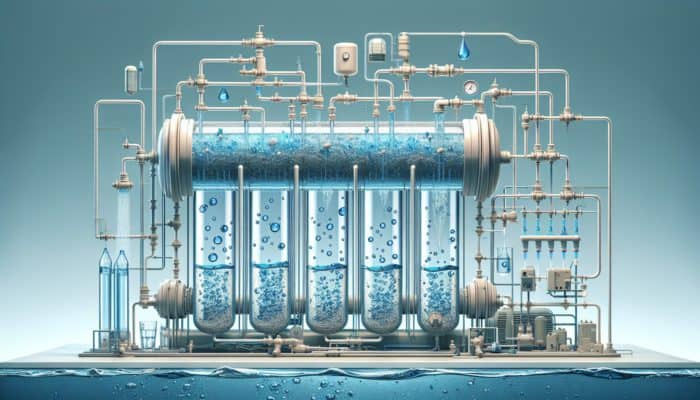
To achieve superior water filtration, reverse osmosis (RO) systems stand out as one of the most sophisticated technologies currently available. These systems function through a semipermeable membrane, which effectively removes a broad spectrum of contaminants, including salts, heavy metals, and harmful microorganisms. The filtration process is powered by applied pressure that compels water through the membrane, successfully trapping impurities on one side while permitting only purified water to pass through. This filtration method is especially advantageous in regions burdened by high levels of total dissolved solids (TDS) or specific hazardous elements such as lead and arsenic, rendering RO systems ideal for both residential and commercial use.
Practically speaking, the implementation of RO systems can significantly improve water quality, transforming it into a safe and palatable drinking option. For instance, in areas where groundwater contamination is prevalent, households can depend on RO systems to guarantee that their water is devoid of toxic substances. Nevertheless, consumers should be mindful that RO systems typically waste some water during the filtration process, generally discarding between 3 to 5 gallons for every gallon that is purified. This consideration is particularly crucial for individuals residing in regions facing water scarcity. Routine maintenance, including timely membrane replacements, is vital to ensure these systems function efficiently, thus consistently delivering safe drinking water.
Improve Water Taste and Odour with Activated Carbon Filters
Activated carbon filters have become increasingly popular due to their ability to enhance the taste and odour of drinking water. These filters operate via a process known as adsorption, in which contaminants adhere to the surfaces of the activated carbon particles. This mechanism efficiently removes chlorine, volatile organic compounds (VOCs), and other impurities that could negatively impact water quality. Their versatility allows for integration into various systems, including pitcher filters, faucet-mounted filters, and under-sink installations.
The efficacy of activated carbon filters is well established; they can considerably lower chlorine levels, resulting in a marked improvement in water taste. Additionally, utilising these filters can help reduce potential health hazards linked to contaminants typically found in municipal water supplies. For example, households employing activated carbon filters in urban settings often report enhanced drinking water quality, positively influencing their overall health and well-being. However, it is essential to recognise that while these filters excel in improving taste and odour, they may not effectively eliminate certain heavy metals or microbial contaminants. Regular replacement of the carbon media is critical for sustaining filtration efficiency, as a saturated carbon filter can significantly diminish its effectiveness over time.
Employ UV Water Purifiers for Reliable Disinfection
UV water purifiers provide a reliable method for disinfecting water, utilising ultraviolet light to eradicate bacteria and viruses present within the water supply. This approach is particularly beneficial in areas where waterborne pathogens pose a serious health risk, offering a chemical-free solution to water treatment. UV purifiers work by exposing water to UV light at a specific wavelength, disrupting the DNA of microorganisms, rendering them unable to reproduce or transmit diseases.
The principal advantage of UV water purifiers lies in their rapid processing capabilities; they can treat water in mere seconds, making them suitable for both residential and larger-scale applications. In rural areas, where access to clean water is often limited, UV systems serve as a critical barrier against waterborne diseases. However, it is important to note that UV purifiers do not eliminate chemical contaminants or sediments from water, which is why they are often used in conjunction with other filtration methods, such as activated carbon or sediment filters, to create a holistic water treatment solution. Regular maintenance, including cleaning the quartz sleeve and ensuring the UV lamp remains operational, is essential to guarantee consistent performance and effective disinfection.
In-Depth Understanding of the Water Filtration Process
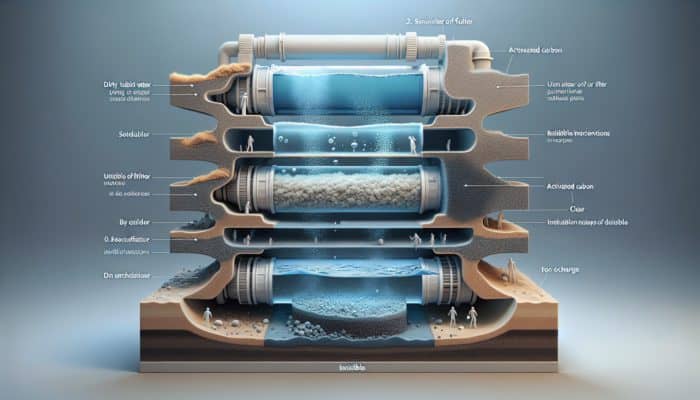
What Are the Essential Steps in the Water Filtration Process?
The water filtration process is a systematic approach designed to eliminate impurities, resulting in cleaner and safer drinking water. Essentially, this process involves passing water through various filtration mediums, each tailored to target specific contaminants. The primary steps in the filtration process can be summarised as follows:
- Intake: Water is drawn into the filtration system.
- Pre-filtration: Larger particles and debris are efficiently removed using pre-filters.
- Main filtration: Water is filtered through the primary medium, such as activated carbon or a semipermeable membrane.
- Post-filtration: Additional filtration steps may be applied for further purification.
- Disinfection: In some systems, water is treated with UV light or undergoes chemical treatment for disinfection.
- Storage: Clean water is stored for use, readily available when needed.
This systematic approach ensures the effective removal of various contaminants, ranging from sediments to bacteria. The complexity of the filtration process can differ significantly across systems, depending on the intended application and the specific contaminants detected in the water source. For example, regions with elevated sediment levels may require more robust pre-filtration, while those confronting microbial contamination may find UV disinfection beneficial as a final measure. Understanding this process empowers consumers to select the most suitable filtration system tailored to their unique water quality challenges.
What Contaminants Are Typically Removed by Water Filters?
Water filters are specifically designed to target a wide array of contaminants, ensuring the safety and quality of drinking water. Depending on the filtration system in use, various impurities can be effectively eliminated. For instance, reverse osmosis systems are particularly adept at removing:
- Heavy metals (e.g., lead, arsenic)
- Salts and Total Dissolved Solids (TDS)
- Microorganisms (bacteria, viruses)
- Chlorine and chlorine byproducts
In contrast, activated carbon filters excel in removing organic chemicals, such as pesticides and herbicides, while also improving taste and odour. UV water purifiers focus primarily on microbial contaminants, effectively neutralising harmful bacteria and viruses without introducing chemicals into the water supply.
Moreover, it is crucial to consider factors such as local water quality and potential contaminants when selecting a water filter. For example, in agricultural regions, water sources may become tainted with fertilizers or pesticides, making carbon filtration a sensible choice. In urban areas, where concerns about lead pipes may arise, a reverse osmosis system may be necessary. Ultimately, understanding the contaminants present aids in selecting the most effective filtration solution.
How Do Water Filters Significantly Improve Water Quality?
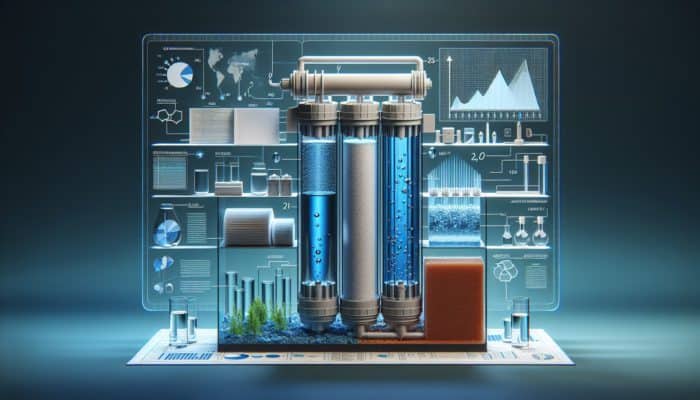
Water filters play a pivotal role in dramatically enhancing water quality by effectively removing harmful substances that could pose health risks and negatively impact taste. The improvement in water quality is multifaceted, as different technologies address distinct contaminants. For example, reverse osmosis systems can substantially reduce heavy metal levels, resulting in safer drinking water and lower health risks associated with prolonged exposure. Similarly, activated carbon filters effectively eliminate chlorinated compounds, leading to water that not only tastes better but is also free from undesirable odours.
The impact of these enhancements is particularly pronounced in areas with known water quality issues. Households that switch to filtration systems frequently report marked improvements in both the taste and clarity of their drinking water. Moreover, by eradicating pathogens through methods such as UV purification, water filters contribute to a decline in the incidence of waterborne diseases. The benefits of these enhancements can lead to better health outcomes for families and communities, as cleaner water is directly linked to lower rates of illness. Furthermore, the psychological advantages of knowing that the water is safe to consume greatly enhance overall quality of life, encouraging increased hydration and fostering healthier habits. Ultimately, adopting water filtration systems is crucial for achieving optimal water quality and creating environments where health and wellness can thrive.
Expert Insights on Water Filter Comparisons
What Do Professionals Recommend When Choosing a Water Filter?
Experts in the realm of water filtration highlight several critical factors to consider when selecting a water filter. They advise consumers to evaluate filtration efficiency, maintenance requirements, and overall cost to ensure that the chosen system aligns with personal needs and budget constraints. For example, research conducted by water quality specialists indicates that, although reverse osmosis systems may entail higher initial costs, they often lead to long-term savings due to their superior contaminant-removal rates, particularly in areas where water quality is compromised.
Another essential recommendation from experts is to assess individual water quality. A prudent practice is to perform a water test before making a purchase. This evaluation helps identify specific contaminants present, enabling users to select a filtration system that effectively addresses those issues. For instance, consumers residing in areas with elevated chlorine levels will benefit more from activated carbon filters, while those concerned about heavy metals may require reverse osmosis systems to ensure optimal safety.
Real-world examples effectively illustrate the recommendations made by experts. In urban settings like Los Angeles, specialists often guide residents towards adopting multi-stage filtration systems that blend both carbon and reverse osmosis technologies. This strategy ensures comprehensive removal of contaminants, addressing both chemical and microbial threats. Overall, understanding these expert insights empowers consumers to make informed decisions that will ultimately enhance the quality and safety of their drinking water.
How Can You Evaluate the Performance of Water Filters Effectively?
Assessing the performance of water filters is crucial for ensuring that the system achieves its intended purpose effectively. Individuals can conduct performance evaluations by analysing two key measures: contaminant removal rates and water flow rates. To evaluate a filter’s ability to eliminate specific contaminants, consult the manufacturer’s specifications or test the water before and after filtration using home testing kits.
To perform a thorough performance evaluation, consider these actionable steps:
- Identify contaminants present in your water supply using testing kits.
- Refer to the filter specifications to understand its removal capabilities.
- Conduct before-and-after testing to gauge actual performance.
- Monitor water flow rates over time to ensure consistency.
These steps empower users to make evidence-based assessments of their water filter systems. Furthermore, for those interested in comparing multiple filters, maintaining a log of performance results can provide insights into which systems offer the best value and effectiveness over time.
Additionally, consumers should be aware that filter performance may decline over time, necessitating routine evaluations to ensure ongoing efficacy. By prioritising these assessments, individuals can maintain confidence in their systems and make necessary adjustments to guarantee safety during emergencies.
What Are the Latest Innovations in Water Filtration Technology?
In the swiftly advancing field of water filtration technology, innovative developments continually enhance the efficiency and effectiveness of filtration systems. Among these advancements are advanced membrane designs for reverse osmosis systems, which improve filtration rates and reduce water waste. These state-of-the-art membranes feature enhanced surfaces, allowing for larger sizes, lower operating pressures, and diminished excessive pressure.
Another exciting development is the integration of smart monitoring systems into water filters. These systems offer real-time data on filter performance, notifying users when maintenance or replacement is required. For instance, smart faucet-mounted filters can connect to smartphone applications, providing insights into water quality, filter usage, and anticipated lifespan. This technology empowers users to proactively maintain their water filtration systems, ensuring optimal performance.
Moreover, researchers are exploring the potential of bio-orthogonal methods that harness natural processes for water purification. These innovative techniques utilise specific microorganisms to decompose contaminants, presenting an eco-friendly alternative to traditional filtration systems. As these innovations emerge, they promise to revolutionise the water filtration landscape, offering more effective, efficient, and user-friendly solutions worldwide.
Significant Advantages of Implementing Water Filters
What Health Benefits Are Associated with Using Water Filters?
The use of water filters provides substantial health advantages by minimising exposure to contaminants that may be present in tap water. Waterborne illnesses present a serious risk, particularly in areas with inadequate treatment facilities or where contaminants are prevalent. Effective filtration systems can significantly mitigate this risk by ensuring that water is free from pathogens, such as bacteria, viruses, and protozoa, which can lead to gastrointestinal diseases and other health complications.
Additionally, filters eliminate harmful chemicals like chlorine, fluoride, and heavy metals, which are associated with various health issues. For instance, exposure to elevated levels of lead can cause severe neurological impacts, particularly in children. By employing systems such as reverse osmosis or activated carbon filtration, households can greatly reduce their risk of exposure, fostering a healthier living environment.
Beyond immediate health benefits, the long-term use of water filters contributes to overall well-being. Clean water promotes hydration, essential for maintaining bodily functions and combating fatigue. The psychological advantages of knowing that the water consumed is safe and pure can also lead to improved hydration habits, fostering healthier lifestyles over time. By prioritising water filtration, individuals can safeguard their families from potential threats associated with contaminated water.
How Do Water Filters Improve the Taste of Drinking Water?
Water filters play a critical role in significantly enhancing both the taste and odour of drinking water. Many municipal water supplies contain chlorine and other disinfection chemicals that can impart an unpleasant taste or smell. Activated carbon filters effectively tackle this issue by adsorbing chlorine and its byproducts, resulting in noticeably better-tasting water. Consequently, individuals are more likely to consume adequate amounts of water, thereby promoting hydration and overall health.
Furthermore, filters can eliminate organic contaminants and sediments that contribute to unpleasant tastes and odours. For example, in areas where water sources are affected by agricultural runoff, filters can effectively remove pesticides and herbicides, improving water quality. Users of filtration systems frequently report a marked enhancement in the experience of drinking water, making it more enjoyable.
Improved taste is particularly significant in households with children, as parents are more likely to encourage their children to drink water if it is palatable. Essentially, by utilising water filters, families can ensure access to clean, enjoyable drinking water, thus fostering healthier hydration habits and promoting a positive relationship with water consumption.
What Environmental Benefits Are Associated with Water Filters?
The environmental advantages of using water filters are considerable, particularly in reducing plastic waste. One of today's most pressing environmental challenges is the accumulation of plastic waste, primarily stemming from single-use bottles. By employing water filters, households can diminish their reliance on bottled water, effectively decreasing plastic consumption. This shift conserves resources and mitigates pollution linked to plastic production and disposal.
Moreover, water filters can also reduce the necessity for chemical water treatment processes. Traditional municipal water treatment often involves using chlorine and other chemicals that, while effective for disinfection, can have detrimental environmental effects when discharged into waterways. By adopting filtration systems, individuals can support more sustainable water practices, ultimately contributing to cleaner ecosystems.
Additionally, certain filtration systems, particularly those promoting biological filtration processes, can further enhance environmental sustainability. These systems imitate natural water purification methods, reducing the need for chemical treatments and promoting healthier water cycles. As consumers become increasingly aware of their environmental footprint, embracing eco-friendly practices represents a practical step toward sustainable living.
Essential Considerations When Choosing a Water Filter
What Is Your Water Quality Assessment?
Evaluating your water quality is a crucial step in selecting the most appropriate water filter. Different filtration technologies are effective against various contaminants, making it essential to identify the specific concerns present in your water supply. Common water quality tests include:
- pH level
- Presence of heavy metals (e.g., lead, arsenic)
- Chlorine levels
- Microbial contamination (bacteria, viruses)
By conducting these tests, consumers can gain valuable insights into their water quality, allowing them to make informed decisions. For example, in regions known for high lead levels in pipes, a reverse osmosis system may be necessary for effective removal. Conversely, households experiencing taste issues from chlorine might prefer activated carbon filters that specifically target those contaminants.
Understanding your water quality can significantly influence the effectiveness of the chosen filtration system. By aligning the filter’s capabilities with your specific water quality challenges, you can ensure optimal outcomes for your drinking water. Furthermore, periodic testing enables consumers to monitor changes in water quality over time, ensuring that their filtration system remains effective and responsive to evolving needs.
What Is Your Budget for a Water Filter?
Budget considerations play a critical role in the decision-making process when selecting a water filter. Water filtration systems are available at various price points, and understanding your budget can help narrow down options effectively. Generally, while initial costs may vary, it is essential to consider expenses such as filter replacements and potential energy costs.
For instance, reverse osmosis systems often have higher initial costs due to their advanced technology and multiple filtration stages. However, the long-term savings from reduced bottled water purchases and fewer health-related expenses can offset these initial investments. Conversely, activated carbon filters may have lower upfront costs but necessitate regular replacements, which can accumulate over time.
Additionally, consumers’ mindsets regarding installation are particularly important for under-sink or whole-house systems. Evaluating the total cost of ownership, including all associated fees, can help you make more informed decisions. Ultimately, achieving the right balance between upfront costs and long-term savings is crucial to ensuring that your water filtration choice aligns with your financial situation while still delivering high-quality drinking water.
What Are Your Maintenance Requirements?
Maintenance needs vary significantly across different water filtration systems, and understanding these requirements is crucial for ensuring optimal performance. Some filters, such as pitcher filters, require less maintenance, needing only periodic replacement of filter cartridges. Conversely, more complex systems, such as reverse osmosis, demand rigorous upkeep, including monitoring membrane performance and pressure levels.
To make an informed decision, consumers should consider their ability to maintain the product. For instance, households with busy lifestyles may prefer systems with lower maintenance requirements, allowing for convenience without compromising water quality. Conversely, those willing to invest time can benefit from the advanced purification capabilities of systems that necessitate more detailed upkeep.
Understanding the specific maintenance tasks associated with each system can prepare users for the responsibilities involved. Regular filter replacements are essential for maintaining filtration efficiency, while periodic system checks can identify potential issues before they escalate. By choosing a water filter that aligns with your maintenance preferences, you can enjoy clean drinking water without the stress of complicated upkeep.
What Type of Water Filter Is Most Suitable for Your Needs?
Selecting the appropriate water filter type is paramount for effectively addressing the specific contaminants in your water supply. Different filters are designed to target various impurities, and understanding your water quality will guide this decision. For instance, reverse osmosis systems are ideal for households with high levels of heavy metals or TDS, while activated carbon filters excel at improving taste and removing organic chemicals.
UV water purifiers, in contrast, are invaluable in scenarios where microbial contamination is a concern, providing effective disinfection without altering the water’s chemical composition. For those living in areas with multiple contaminants, a multi-stage filtration system that combines various filtration methods may be the best approach for comprehensive treatment.
In addition to the type of contaminants, consider your household’s water usage needs. Some systems cater to low to moderate water consumption, while others can efficiently manage higher volumes. Understanding your water consumption patterns will help ensure that the chosen filtration system meets your needs without sacrificing performance.
Ultimately, selecting the right water filter hinges on a thorough assessment of your water quality, consumption habits, and specific filtration needs, enabling you to make a well-informed choice.
How Much Water Do You Require Daily?
Understanding your household’s water consumption needs is crucial when selecting a water filter. Water filters come with varying capacities, and choosing one that aligns with your usage patterns can enhance efficiency and satisfaction. For instance, larger households may require filters capable of handling higher flow rates or larger storage capacities, while individuals or small families may find smaller pitcher or faucet-mounted systems sufficient.
When evaluating your water needs, consider how much drinking water your household consumes daily. A general guideline is that each person requires approximately 2 to 3 litres of drinking water per day, although this can vary based on activity levels, climate, and dietary habits. Recognising these requirements will help you select a filter that meets daily consumption without frequent replacements or slow flow rates.
Additionally, consider any additional water usage, such as cooking and preparing beverages, which may increase overall demand. Certain filtration systems, such as whole-house filters, can provide treated water for all household uses, ensuring that every tap dispenses clean, safe water.
Ultimately, selecting a filter that matches your water consumption will optimise both cost and performance, allowing you to enjoy the benefits of a reliable, tailored water filtration solution for your household.
Investigating Various Water Filter Installation Options
Advantages of Under-Sink Water Filters for Efficient Filtration
Under-sink water filters offer a discreet and efficient solution for delivering clean drinking water directly from the tap. These systems are installed beneath the kitchen sink, utilising existing plumbing to supply filtered water without occupying counter space. One of the primary advantages of under-sink filters is their capacity to provide high-quality filtration while maintaining a clean aesthetic.
Installation generally involves connecting the filter to the water supply line and attaching a dedicated faucet for dispensing filtered water. This setup allows for easy access to clean water for drinking, cooking, and preparing beverages. Many under-sink filters utilise advanced filtration technologies, such as reverse osmosis or multi-stage filtration, effectively eliminating a wide range of contaminants.
Moreover, under-sink systems frequently come equipped with higher-capacity filters, which reduces the frequency of replacements compared to other filter types. However, they may require periodic maintenance and inspection to ensure optimal performance, and some users might need professional installation, depending on their plumbing skills. For households seeking a robust filtration solution that integrates seamlessly into their kitchen, under-sink filters represent an excellent choice.
Benefits of Countertop Filters for Easy Access to Clean Water
Countertop filters provide a convenient and portable solution for households seeking clean drinking water without extensive installation. These filters sit atop the kitchen counter and are typically connected to the faucet via a hose, enabling users to fill pitchers or pour directly into glasses with ease. This setup makes countertop filters an appealing option for renters or individuals who prefer not to modify existing plumbing.
One of the primary benefits of countertop filters is their simplicity and user-friendliness. Many models utilise activated carbon or ceramic filtration, effectively removing impurities such as chlorine, sediment, and bacteria. Additionally, they often feature quick-change filter cartridges, making replacements straightforward and accessible.
While countertop filters are effective, they may have lower filtration capacity than under-sink systems, necessitating more frequent replacements. Furthermore, water flow rates may vary across models, which could be a consideration for larger households. For those seeking a flexible, uncomplicated method to enhance their drinking water quality, countertop filters provide a practical, accessible solution.
Whole House Water Filtration Systems for Comprehensive Coverage
Whole-house water filtration systems are engineered to treat all water entering a home, providing a comprehensive solution for ensuring clean water throughout the household. These systems are installed at the point of entry, filtering water before it reaches faucets, showers, and appliances. One significant advantage of whole-house systems is their ability to enhance water quality for all household uses, from drinking and cooking to bathing and cleaning.
Typically, these systems employ multi-stage filtration processes that combine technologies such as sediment filters, activated carbon, and reverse osmosis for enhanced treatment. By addressing a broad spectrum of contaminants, whole-house systems can dramatically improve overall water quality, contributing to healthier skin and hair during showers and better-tasting cooking water.
While whole-house systems offer comprehensive filtration, they require a larger upfront investment and professional installation. Additionally, homeowners must consider ongoing maintenance, which includes regular filter replacements and system inspections. However, for those dedicated to ensuring high-quality water throughout their home, whole-house filtration systems present an effective long-term solution.
Research-Supported Insights on Water Filter Comparisons
What Does Scientific Research Reveal About Water Filtration?
Scientific studies consistently confirm that water filters effectively eliminate a wide range of contaminants from drinking water, thereby enhancing safety and quality. Research indicates that various filtration methods, including reverse osmosis and activated carbon, successfully reduce levels of heavy metals, chlorine, and biological pathogens. For instance, studies have demonstrated that reverse osmosis systems can remove up to 99% of lead and other harmful substances, making them a reliable choice for households concerned about water quality.
Furthermore, rigorous testing methodologies, encompassing laboratory analysis and field studies, assess the efficacy of different water filtration systems. These studies provide valuable insights into performance across varied conditions, offering consumers evidence-based guidance when comparing filters.
Moreover, innovations in filtration technology continue to be explored, with ongoing studies investigating new materials and processes designed to enhance contaminant removal. As the science behind water filtration progresses, consumers can anticipate continual improvements in filter effectiveness, reinforcing the importance of staying informed about the latest advancements in the field.
How Do Water Filters Impact Public Health Outcomes?
The utilisation of water filters can significantly influence public health by reducing exposure to harmful contaminants. Numerous studies have established connections between water quality and health outcomes, indicating that contaminated water can lead to various health issues, including gastrointestinal illnesses and long-term chronic conditions. By installing effective filtration systems, households can substantially lower their risk of waterborne diseases and chemical exposure.
For example, communities experiencing elevated lead contamination from ageing infrastructure have witnessed notable health improvements when households adopt reverse-osmosis systems. These systems effectively eliminate lead and other heavy metals, thereby reducing the incidence of developmental issues in children.
Additionally, as more individuals become aware of the potential hazards present in tap water, the adoption of filtration systems has evolved into a proactive strategy to safeguard health. By ensuring access to clean, safe water, consumers can enhance their health outcomes and those of their families, supporting the notion that clean water is fundamental to public health.
What Are the Long-Term Benefits of Using Water Filters?
The long-term benefits of using water filters extend beyond immediate health improvements, positively impacting overall quality of life. Sustained use of effective filtration systems results in consistently high-quality drinking water, which is essential for maintaining proper hydration and bodily functions. Over time, this can lead to better health outcomes, reduced healthcare costs, and an overall enhancement in the quality of life for individuals and families.
Furthermore, as consumers become increasingly invested in their health and wellness, the long-term use of filtration systems can foster a culture of prioritising clean water consumption. Regular access to safe drinking water encourages hydration habits and can lead to healthier lifestyle choices, ultimately impacting both physical fitness and mental well-being.
The long-term environmental impacts of water filters are equally significant. By reducing dependence on single-use plastic bottles, households contribute to less plastic waste and pollution. This environmentally conscious behaviour promotes a sustainable mindset, encouraging individuals to evaluate their consumption patterns and their effects on the planet.
Overall, the cumulative long-term benefits of using water filters encompass health improvements, environmental stewardship, and lifestyle enhancements, reinforcing the importance of ensuring clean water accessibility for all.
How Do Different Water Filters Compare with Each Other?
Comparative studies of various water filters reveal significant differences in effectiveness, usability, and cost. For example, reverse osmosis systems generally provide superior contaminant removal rates compared to activated carbon filters, particularly regarding heavy metals and dissolved solids. However, carbon filters excel in eliminating chlorine and enhancing taste and odour, making them a preferred choice for many households.
Additionally, the installation and maintenance requirements of various filters can differ dramatically. Whole-house systems, while comprehensive, entail more extensive installation and ongoing maintenance than simpler solutions like pitcher- or faucet-mounted filters. Understanding these differences enables consumers to make informed decisions based on their specific needs, preferences, and budget.
Furthermore, advanced filtration technologies continue to emerge, influencing how filters compare. Innovations, such as smart monitoring systems and hybrid filtration methods, are enhancing user experience and effectiveness, paving the way for more informed consumer choices.
Ultimately, evaluating the comparative advantages of different water filtration systems empowers consumers to select the best option for their unique circumstances, ensuring access to clean, safe drinking water tailored to their household’s requirements.
Essential Maintenance and Replacement Guidelines for Water Filters
When Is the Best Time to Replace Water Filters?
Proper maintenance and timely replacement of water filters are critical for ensuring continued effectiveness and water quality. Each filter type has specific replacement frequency guidelines, typically ranging from every 6 to 12 months, depending on usage and the manufacturer's recommendations. For instance, activated carbon filters should be replaced regularly to maintain their ability to remove impurities effectively, whereas reverse osmosis membranes may need replacement every 2 to 3 years, based on water quality and usage levels.
Monitoring filter performance can also provide insights into when replacements are necessary. Signs of decreased water flow or unusual tastes or odours in filtered water may indicate that it is time to replace the filter. Some modern filters even feature indicators that alert users when it is time to change the filter, simplifying maintenance tasks.
In addition to replacing filters, conducting regular system checks is vital for ensuring optimal performance. This includes inspecting connections, checking for leaks, and confirming that any additional components, such as UV lamps or pressure gauges, are functioning correctly. By adhering to recommended replacement schedules and maintenance practices, consumers can enjoy continuous access to clean, safe drinking water.
How to Clean Water Filters Effectively to Ensure Longevity?
Regular cleaning of water filters is an integral part of maintenance that can help extend their lifespan and ensure optimal performance. Different filter types have varying cleaning requirements, but some general tips apply across the board. For instance, with activated carbon filters, it is crucial to follow the manufacturer’s instructions regarding cleaning, as many are designed for single use and should be replaced rather than cleaned.
For reusable filters, such as ceramic filters, cleaning involves scrubbing the filter surface with a soft brush to remove accumulated sediments and impurities. This process can be performed every few months or more frequently if the water quality appears compromised. For reverse osmosis systems, cleaning the pre-filters and membranes according to the recommended schedule is vital to prevent contaminant buildup and ensure effective filtration.
Additionally, some filters, particularly UV purifiers, require periodic cleaning of the quartz sleeve, which can become cloudy from mineral deposits. Gently wiping the sleeve with a soft cloth ensures that UV light can penetrate effectively, providing optimal disinfection.
Here are some additional cleaning tips:
- Regularly inspect cartridges for signs of wear or damage.
- Use only manufacturer-recommended cleaning solutions.
- Follow specific cleaning instructions for each filter type.
- Keep the surrounding area clean to prevent contamination.
By maintaining a regular cleaning schedule and adhering to best practices, households can maximise the longevity and efficiency of their water filtration systems.
What Are Common Maintenance Challenges with Water Filters?
Understanding common maintenance issues is essential for ensuring that water filters operate effectively and deliver clean drinking water. Some typical challenges users may encounter include clogged filters, leaks, and reduced water flow. Clogged filters often result from the accumulation of sediment and impurities, reducing filtration efficiency. Regular monitoring and timely replacements are crucial to preventing these problems.
Leaks can occur at connection points or due to faulty components. Frequently inspecting the system for signs of leaks, such as water pooling or dampness, can help identify issues early and facilitate prompt repairs. In some instances, tightening connections or replacing seals may resolve these concerns.
Reduced water flow can indicate several underlying problems, such as clogged pre-filters or reduced system pressure. Addressing these issues may involve cleaning or replacing specific components to ensure the filter continues to supply adequate water.
Additionally, users should recognise the importance of following manufacturer guidelines for maintenance and replacement schedules to mitigate these common issues. By proactively addressing maintenance challenges, households can ensure their water filtration systems remain effective and reliable, guaranteeing access to safe drinking water.
Frequently Asked Questions About Water Filters
What is the best type of water filter for home use?
The best type of water filter depends on your specific water quality needs. <a href="https://electroquench.com/water-filter-systems-for-clean-drinking-water-solutions/">Reverse osmosis systems</a> excel at eliminating heavy metals, while activated carbon filters enhance taste and remove chlorine.
How often should I replace my water filter?
Most water filters should be replaced every 6 to 12 months, depending on usage and the manufacturer’s recommendations. Regular performance monitoring can indicate when replacements are necessary.
Can I install a water filter myself?
Many water filters, such as pitcher or faucet-mounted filters, offer a simple installation that can be completed without professional assistance. However, more complex systems, such as under-sink or whole-house filters, may require professional installation.
Do water filters remove bacteria?
Yes, certain filters, particularly UV purifiers and reverse osmosis systems, effectively remove bacteria and other microorganisms from drinking water.
Are water filters worth the investment?
Yes, water filters provide significant health benefits by reducing exposure to contaminants, enhancing taste, and promoting safer hydration habits, making them a worthwhile investment.
Can I use tap water with all water filters?
Most water filters are designed to work with tap water. However, it is essential to verify the filter specifications to ensure compatibility.
How can I test my water quality?
You can test your water quality using home testing kits available at stores or through professional water testing services to identify contaminants present in your water supply.
What maintenance is required for a water filter?
Maintenance varies by filter type but generally includes regular cartridge replacement, cleaning components, and ensuring connections are secure to prevent leaks.
Do all filters remove lead from water?
No, not all filters are designed to eliminate lead. Reverse osmosis systems and some activated carbon filters effectively remove lead, while others may not.
How do I choose the right water filter for my needs?
Assess your water quality, household size, budget, and specific contaminant concerns to select the most appropriate water filter for your needs.
Explore our journey on X!
The post Water Filter Comparisons: Your Ultimate Guide appeared first on Survival Bite.
The Article Water Filter Comparisons: The Essential Guide You Need Was Found On https://limitsofstrategy.com
The Article Water Filter Comparisons: Your Essential Guide to Choices found first on https://electroquench.com