Explore the Best Hearing Aid Innovations for Cats
What Hearing Aid Innovations Are Currently Available for Cats?
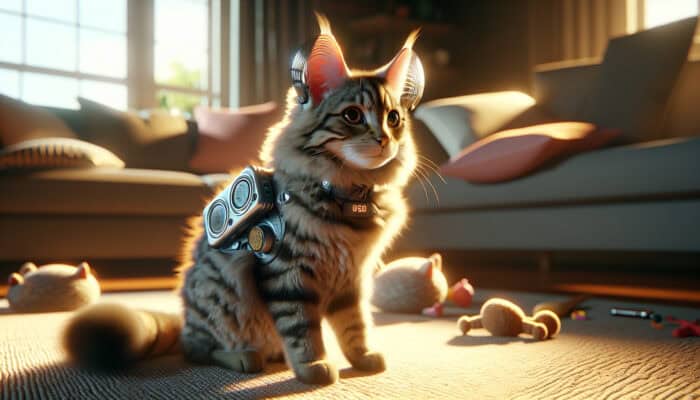
Investigating hearing aid innovations for cats reveals a fascinating array of advanced, non-invasive devices tailored to meet the unique auditory requirements of our feline companions. These state-of-the-art solutions are essential for pet owners aiming to provide effective hearing support without the need for invasive surgical interventions. Among the leading options are sound amplifiers, meticulously crafted to increase ambient noise levels. This enhancement empowers cats to discern crucial sounds in their environment, such as their owners’ calls or the stealthy movements of potential prey, thus enriching their daily experiences.
Another intriguing choice is the vibrational devices, which offer a fresh approach to auditory assistance. These devices transform sound waves into vibrations that cats can feel, enabling them to respond even in the absence of direct sound. For example, a cat owner may opt for a vibrational collar that signals when someone approaches, ensuring that a hearing-impaired cat remains aware of its surroundings and significantly enhancing its overall sense of security.
Additionally, hearing-enhancing collars are available, featuring miniature speakers that emit sounds at frequencies easily detectable by cats. These collars can be tailored to highlight specific sounds, such as the cat’s name or other familiar auditory cues, thereby significantly improving interaction between the pet and its owner, fostering deeper communication.
Designed with the comfort and behavioural patterns of cats in mind, these devices ensure user-friendliness and are suitable for long-term wear. Pet owners globally can conveniently obtain these products online or at specialised pet retailers, making them a practical solution for those seeking auditory support for their feline friends.
How Do Hearing Aid Innovations Improve Cats’ Daily Lives?
The daily functionality of hearing aid innovations for cats hinges on their seamless integration into the pets’ routines, considerably enhancing their auditory experiences without the disruptions that invasive methods might cause. Setting up these devices typically involves a straightforward process. For instance, sound amplifiers can be strategically positioned in areas where cats frequent, ensuring consistent auditory enhancement as they navigate their daily activities.
Routine maintenance is crucial to ensure these alternatives retain their effectiveness over time. For sound amplifiers, regular checks are necessary to keep the batteries charged and to confirm that the devices remain clean and function optimally. Many of these devices feature adjustable settings, enabling owners to tailor the volume to suit their cat’s individual hearing requirements and the varying conditions of their surroundings.
With vibrational devices, owners can activate their functionality during specific times, such as during feeding or play sessions. Given that cats are creatures of habit, associating these vibrations with particular activities can significantly enhance their responsiveness. Pet owners should closely monitor their cats during the initial days of usage, evaluating their comfort levels and adjusting settings as necessary to optimise the experience.
Ultimately, the primary objective of these hearing aid innovations is to profoundly enhance the quality of life for cats. By providing ongoing auditory support, they facilitate improved interactions with their owners and help cultivate a sense of security by keeping cats engaged with their environments.
What Essential Features Should You Consider When Selecting Hearing Aid Innovations?
When choosing hearing aid innovations, it is vital to evaluate several key features to ensure the selected device effectively addresses a cat’s auditory challenges. One of the most crucial aspects is adjustability. Devices that offer volume control or frequency tuning empower pet owners to customise the auditory experience to their cat’s specific needs, ensuring optimal function. For example, older cats may necessitate lower frequencies due to age-related hearing loss, while younger cats might respond better to a broader range of sounds.
Comfort is another significant factor to consider. The design and fit of hearing aid innovations can greatly influence a cat’s willingness to wear them consistently. Devices should be lightweight and ergonomically designed to prevent discomfort during prolonged use. Many alternatives are constructed from soft, breathable materials that accommodate a cat’s natural behaviours, decreasing the likelihood that the cat will attempt to remove the device.
Durability is equally important, especially for active cats that enjoy playtime. Selecting alternatives made from robust materials ensures they can withstand the wear and tear of regular use, providing long-lasting auditory support. It is advisable to seek products that come with warranties, reflecting the manufacturer’s confidence in their durability.
Lastly, ease of use is essential for pet owners. Devices that are straightforward to set up and operate encourage more consistent usage, ensuring that cats receive the auditory support they need without adding stress for their owners. By considering these features, pet owners can select reliable solutions that effectively address their cats’ hearing challenges.
What Are the Advantages and Disadvantages of Hearing Aid Innovations?
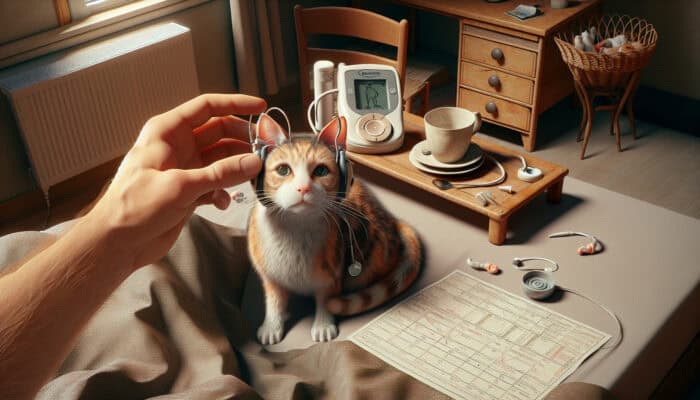
Evaluating the benefits and drawbacks of hearing-aid innovations for cats provides a comprehensive view of the advantages and disadvantages that pet owners should consider. On the positive side, the ease of implementation is a notable advantage. Many of these devices can be utilised without requiring specialised knowledge or extensive training, making them accessible to pet owners globally. Furthermore, the affordability of various options offers a practical solution for those concerned about the costs associated with traditional veterinary procedures.
Conversely, the effectiveness of these alternatives can vary among individual cats. While many pets respond positively to auditory aids, others may not experience significant improvements in their hearing capabilities. This variability underscores the necessity for thorough research and the potential need to trial different products to ascertain the best fit for each cat’s specific hearing impairment.
Another consideration is the possibility of limited long-term effectiveness. Some alternatives may require frequent adjustments or may not function optimally after extended use. Routine maintenance is essential, yet this responsibility can be challenging for some pet owners who struggle to keep up with the upkeep. It is crucial to carefully weigh these pros and cons. By understanding the unique auditory challenges their cats face and assessing the available alternatives, owners can make informed decisions that enhance their pets’ quality of life.
How Do Hearing Aid Technologies Enrich Cats’ Lives?
What Positive Changes Can Owners Anticipate in Their Cats?
Introducing hearing aid innovations can result in noticeable improvements in a cat’s behaviour and overall quality of life. With enhanced auditory support, owners are likely to observe a significant increase in their cats’ responsiveness to sounds. For example, a previously unresponsive cat may begin to react to its name being called or the sounds of food being prepared, indicating a revitalised connection with its environment and a renewed sense of engagement with their surroundings.
Social interactions also see substantial enhancement. Cats that previously hesitated to engage with their owners due to hearing difficulties may become more sociable and interactive. Many owners report that their cats seek attention more frequently, displaying newfound confidence in their ability to hear and respond to social cues, thereby strengthening the bond between pet and owner.
Moreover, playfulness is another area where improvements become evident. Cats that are aware of their surroundings are more inclined to partake in play, whether it involves chasing toys or exploring their environment. This increased activity not only contributes to their physical health but also enriches their emotional well-being, leading to a more joyful and fulfilling life for the feline companion.
In summary, these behavioural changes underscore the significant impact that hearing aids can have on enhancing the lives of cats with hearing impairments. Pet owners who invest in these alternatives often find that the benefits extend beyond mere sound enhancement, fostering improved relationships and a more harmonious household dynamic.
What Are the Common Advantages of Hearing Aid Innovations?
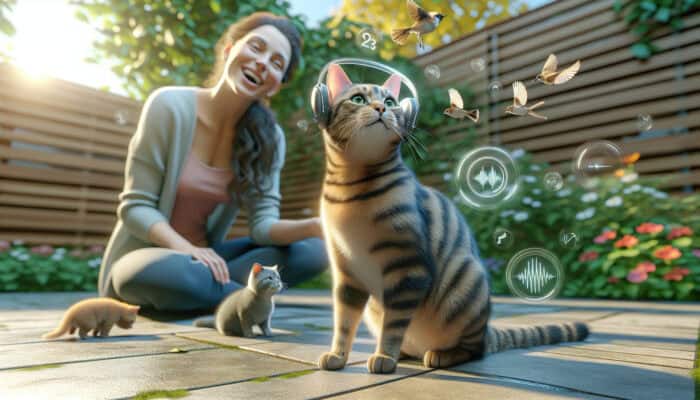
Hearing aid innovations provide numerous benefits, making them an attractive option for pet owners aiming to enhance their cats’ auditory experiences. Here are some key advantages to consider:
- Increased awareness of surroundings: Cats can detect essential sounds, empowering them to navigate their environment more safely and confidently.
- Reduced isolation: Enhanced hearing allows cats to engage more with their human companions and other pets, fostering stronger social bonds.
- Improved overall well-being: Enhanced auditory input provides greater mental stimulation, leading to happier, more active cats.
- Affordability: Many alternatives are more cost-effective than surgical options, making them accessible to a broader range of pet owners.
- Non-invasive nature: These devices do not require surgery, allowing for a safer approach to addressing hearing issues.
- Customisation: Many alternatives offer adjustable features, allowing owners to tailor the experience to their cat’s needs.
- Easy maintenance: Most devices are designed for straightforward upkeep, ensuring consistent functionality without a heavy commitment from owners.
These advantages collectively contribute to a more vibrant and engaged lifestyle for cats with hearing impairments. By capitalising on these benefits, pet owners can ensure that their feline friends enjoy a fulfilling and enriched quality of life.
What Are the Long-Term Effects of Hearing Aid Innovations on Feline Health?
The long-term use of hearing aid alternatives can lead to significant, positive changes in a cat’s health and overall well-being. As cats adapt to enhanced auditory support, they often exhibit greater emotional stability. Increased awareness of their environment reduces anxiety and stress, particularly for cats that may have felt isolated due to hearing loss.
Moreover, improved auditory function encourages more active lifestyles. Cats that can hear their surroundings are more likely to engage in play and exploration, which supports their physical health. Heightened activity levels can help prevent obesity and related health issues, contributing to a longer and healthier life for the pet.
Furthermore, the consistent use of auditory aids fosters better relationships between cats and their human companions. Enhanced communication allows owners to interact with their pets more effectively, leading to stronger bonds. This social support is vital for emotional health, as pets that feel connected to their owners tend to be happier and less prone to behavioural issues.
In summary, the long-term benefits of hearing aid innovations extend beyond mere auditory enhancement. They promote emotional and physical stability, ensuring that cats not only thrive in their environments but also lead enriched lives filled with interaction and joy.
Insights from Experts on Hearing Aid Innovations for Cats
What Are Real-World Examples of Successful Implementations?
Real-world applications of hearing-aid innovations for cats illustrate their effectiveness in enhancing the quality of life for feline companions. One noteworthy case involves a family that adopted a senior cat with significant hearing loss. By incorporating a sound amplifier into the cat’s daily environment, the owners observed a remarkable improvement in their pet’s behaviour within just a few weeks. The cat, once withdrawn, began responding to verbal cues, exhibiting renewed interest in family activities and social interactions.
Another case study highlighted a vibrational device utilised on a cat with profound hearing impairments. The device provided vibrations to alert the cat when its owner entered the room or when food was being prepared. This simple addition transformed the cat’s daily routine, as it learned to associate the vibrations with positive experiences, leading to increased interaction with family members. The owners reported that their cat appeared more relaxed and comfortable, underscoring the importance of these alternatives in daily life.
These examples demonstrate that the successful implementation of hearing-aid innovations often relies on understanding the cat’s individual needs and consistently providing appropriate support. Pet owners can adopt similar strategies by closely observing their pets and adapting their use of alternatives to fit their unique lifestyles.
What Research-Backed Evidence Supports the Effectiveness of Hearing Aid Innovations?
Expert analysis of hearing aid innovations highlights their effectiveness in enhancing feline auditory experiences. Various studies indicate that cats fitted with sound amplifiers or vibrational devices exhibit significant improvements in their ability to engage with their owners and respond to environmental stimuli. These findings underscore the adaptability of such devices to meet the diverse needs of cats with varying degrees of hearing impairment.
For example, research suggests that sound amplifiers can enhance sound perception by up to 30%, allowing cats to detect sounds they would typically miss. This amplification is crucial for re-establishing a cat’s connection with its environment, enabling it to react appropriately to important sounds, such as its owner’s voice or other pets’ movements.
Furthermore, vibrational devices have shown particular effectiveness in alerting cats to their surroundings. Studies demonstrate that cats equipped with such devices experience heightened awareness, leading to greater engagement in their daily activities. This adaptability in hearing aid innovations emphasises their reliability and effectiveness in addressing a broad range of feline hearing needs.
Ultimately, the research-backed effectiveness of these options provides compelling evidence for their value in improving the lives of cats with hearing impairments. Pet owners can confidently choose these alternatives, knowing they are grounded in sound principles of auditory enhancement.
What Are the Trusted Strategies for Optimal Use of Hearing Aid Innovations?
To maximise the benefits of hearing aid innovations for cats, pet owners can implement several trusted strategies. First and foremost, consistent monitoring is essential. Regularly observing a cat’s response to the device can yield valuable insights into its effectiveness and comfort level. Owners should be attentive to any signs of discomfort or reluctance and adjust the device settings or usage as needed to ensure the cat’s well-being.
Establishing a routine for using the devices is another critical strategy. Cats thrive on consistency, so incorporating hearing-aid use into daily rituals can significantly enhance their adaptability. For example, using a sound amplifier during feeding times can help cats associate the device with positive experiences, reinforcing its purpose in their everyday lives.
Pet owners should also employ positive reinforcement when introducing hearing-aid innovations. Rewarding cats for engaging with the devices—whether with treats or affection—encourages acceptance and use. This positive association can alleviate any initial reluctance to wear or interact with the alternatives.
Lastly, maintaining open communication with veterinarians or pet audiology specialists can offer further insights into optimal use. These experts can provide tailored advice based on each cat’s specific needs, ensuring pet owners can navigate any challenges effectively.
By employing these trusted strategies, pet owners can ensure their feline companions receive maximum auditory support from their hearing-aid innovations, ultimately enriching their lives and enhancing their overall well-being.
What Are the Potential Drawbacks of Hearing Aid Innovations?
How Might Innovations Affect Comfort Levels for Cats?
Introducing hearing-aid innovations for cats can raise significant concerns regarding comfort levels. It is essential to recognise that some cats may initially find these devices unfamiliar or uncomfortable. Factors such as fit, weight, and material can all influence a cat’s willingness to consistently wear a device. For instance, a poorly fitted sound amplifier may irritate the cat, leading to resistance.
To mitigate discomfort, owners should prioritise proper sizing and adjustments. Many alternatives come with adjustable features that allow for a customised fit, ensuring that the device conforms well to the cat’s body. It is advisable to check and adjust these fittings regularly, especially as the cat grows or if its behaviour changes.
Another approach to enhancing comfort is to introduce the device gradually. Rather than forcing immediate usage, allowing the cat to acclimatise can lead to greater acceptance. Owners can begin by letting the cat explore the device without wearing it, gradually progressing to short wear times before increasing the duration.
Ultimately, the key to ensuring comfort lies in understanding each cat’s unique preferences and responding accordingly. By taking proactive measures to address fit and comfort, owners can help their feline companions adapt to hearing aid innovations more readily, fostering a positive experience overall.
What Factors Influence the Effectiveness of Hearing Aid Innovations?
The effectiveness of hearing-aid innovations for cats can be influenced by various factors that pet owners must carefully consider. One crucial element is device compatibility. Not all alternatives work equally well for every cat, particularly given the diverse range of hearing impairments. It is essential to select devices specifically designed for cats that match their unique auditory profiles.
In addition to compatibility, user adherence plays a significant role in effectiveness. Consistent use of the devices is necessary to achieve the desired auditory support. If a cat is resistant to wearing the device or if owners forget to utilise it regularly, the potential benefits may not be realised. Establishing a routine that incorporates hearing aids into daily life can greatly enhance adherence and, consequently, overall effectiveness.
Another influencing factor is the environment in which the devices are used. Cats living in quieter homes may respond differently to hearing aids compared to those in busier households. For instance, cats in tranquil settings might require less amplification than those in bustling environments with fluctuating noise levels.
By understanding these factors and actively considering them when selecting and using hearing-aid innovations, pet owners can significantly increase the likelihood of success in improving their cats’ auditory experiences.
What Strategies Can Help Mitigate Common Issues with Hearing Aid Innovations?
To ensure that hearing aid innovations for cats continue to provide effective benefits, it is essential to proactively address common issues. One prevalent challenge is device malfunction or low battery, which can lead to decreased functionality. Regularly checking batteries and performing maintenance on devices helps ensure they operate optimally at all times. Establishing a routine for battery changes and cleaning can prevent interruptions in use.
Another common issue involves adjusting to the device. If a cat shows signs of discomfort or reluctance, it is vital to take a step back and reevaluate the fit and settings. Owners can experiment with different settings, such as lowering the volume or adjusting the fit to enhance comfort. Gradual exposure can also help cats acclimate; starting with short wear periods and gradually increasing them can ease the transition.
Owners should also be aware of their cat’s reactions and be prepared to alter usage patterns if necessary. Some cats may prefer to wear devices only during specific activities, such as playtime or meal preparation. Adapting the usage schedule according to the cat’s behaviour can significantly improve acceptance and effectiveness.
By implementing these strategies, pet owners can effectively mitigate common issues associated with hearing aid innovations, ensuring their feline companions receive consistent auditory support that enhances their quality of life.
Research-Backed Benefits of Hearing Aid Innovations for Cats
What Evidence Supports the Key Findings on Hearing Aid Innovations?
Research on hearing-aid innovations reveals compelling evidence demonstrating their ability to enhance auditory function in cats. Studies indicate that cats fitted with sound amplifiers show increased engagement with their environments. For example, a study of senior cats found that after regular use of a sound-amplification device, the animals exhibited marked improvement in their ability to respond to auditory cues, such as their owners’ voices and other significant environmental sounds.
Additionally, research has found that vibrational devices not only alert cats to their surroundings but also promote increased social interaction. In environments where these devices were utilised, cats were observed initiating play and interaction more frequently, leading to a more active lifestyle. This shift is especially beneficial for cats that may have previously isolated themselves due to hearing loss, fostering a sense of connection with their human companions.
Moreover, findings suggest that consistent use of these alternatives can lead to sustained improvements in overall well-being. Enhanced auditory capabilities contribute not only to better physical health through increased activity but also bolster emotional stability by reducing the anxiety often associated with hearing impairments.
By relying on these research-backed insights, pet owners can confidently choose hearing aid alternatives, knowing they are investing in their cats’ auditory health and overall happiness.
What Are the Long-Lasting Impacts on Behaviour?
The long-lasting effects of using hearing-aid innovations extend beyond immediate auditory benefits, leading to profound changes in feline behaviour. Regular use of these devices fosters a more engaged demeanor in cats, creating an environment conducive to social interaction and play. As they become more attuned to their surroundings, cats often exhibit increased curiosity and orientation, reinforcing instincts that may have dulled due to hearing loss.
Additionally, many pet owners report that their cats display improved mood and demeanor. Enhanced auditory perception reduces feelings of isolation, allowing cats to feel more connected to their environment and their human companions. This sense of belonging is integral to feline mental health, as social creatures thrive on interaction and stimulation.
Over time, the cumulative effects of improved auditory function can lead to noteworthy changes in activity levels. Cats that actively engage with their surroundings are more likely to maintain a healthy weight, participate in exercise, and explore their homes, which is essential for their physical health. This increased activity not only combats obesity but also promotes cardiovascular health and overall longevity.
Ultimately, the long-term impacts of hearing-aid innovations manifest as significant behavioural changes that enrich the lives of cats and their owners alike. By investing in these solutions, pet owners can ensure their feline friends enjoy an enriched, fulfilling life.
How Can Owners Integrate Research Findings into Practice?
Integrating research findings on hearing aid innovations into everyday practice is crucial for maximising their benefits. One actionable step is to establish monitoring routines. Pet owners should document their cats’ responses to different devices over time, noting any behavioural changes and interactions. This data can provide valuable insights into what works best for the individual cat, allowing for personalised adjustments based on their unique needs.
Another effective strategy is to create a structured schedule for device use. Consistency is key; establishing a routine—such as using sound amplifiers during feeding or play sessions—can reinforce positive associations and ensure that cats receive consistent auditory support. Owners can gradually increase the duration of use as their cats become more comfortable with the devices.
Additionally, engaging in positive reinforcement techniques can significantly enhance the cat’s experience with hearing aids. Rewarding cats for wearing their devices or showing responsiveness to sounds can reinforce positive behaviour and encourage acceptance. This approach fosters a stronger bond between the cat and its owner, creating a supportive environment for adaptation.
By implementing these research-based practices, pet owners can effectively integrate hearing-aid innovations into their cats’ lives, ultimately improving auditory experiences and overall well-being.
How Are Hearing Aid Innovations Customised for Different Cats?
What Variations Exist Based on Age and Specific Needs?
Hearing-aid innovations must be customised to meet the diverse needs of cats, based on their age, health status, and individual hearing impairments. For younger cats, options that focus on sound amplification may be particularly beneficial, as they typically have a wide range of hearing capabilities that can be enhanced to improve communication and interaction with their environment.
In contrast, senior cats often experience different types of hearing loss that can necessitate specialised solutions. Many older cats benefit from devices that amplify low frequencies, as they may lose sensitivity to these sounds first. Alternative devices prioritising sound clarity can help senior cats maintain social connections and respond more readily to their owners.
Additionally, cats with specific health conditions, such as chronic ear infections or neurological issues, may require customised auditory solutions. Understanding these variations allows pet owners to choose alternatives that are best suited to their cats’ unique situations, ensuring effective support tailored to their specific needs.
Ultimately, recognising how age and health influence a cat’s auditory requirements is paramount. By selecting appropriate alternatives, pet owners can enhance their feline companions’ quality of life and maintain their well-being.
What Customisation Options Are Available for Hearing Aid Innovations?
Customisation plays a significant role in the effectiveness of hearing aid innovations for cats. Many modern devices offer a variety of features that can be adjusted to meet the specific needs of individual cats. Here’s a list of some key customisation options available:
- Adjustable volume settings: Owners can modify the amplification level to suit their cat’s hearing preferences.
- Frequency tuning: Tailored frequency settings help focus on sounds that the cat can more easily detect.
- Size adjustments: Devices that come in various sizes ensure a proper fit for cats of different breeds and ages.
- Weight configurations: Lighter devices enhance comfort, making it easier for cats to wear them for prolonged periods.
- Colour options: Aesthetic choices can help make devices more appealing to both owners and their cats.
- Vibration modes: Some alternatives incorporate vibrations that can alert cats to important sounds.
- Charging options: Different power sources suit pet owners’ preferences, from rechargeable batteries to disposable options.
These customisation options empower pet owners to select hearing aid innovations that align with their cats’ unique auditory profiles and lifestyles. By tailoring devices, owners can ensure maximum comfort and effectiveness, leading to better outcomes for their feline friends.
How to Evaluate Fit for Specific Scenarios?
When selecting hearing aid innovations for cats, evaluating fit for specific scenarios is crucial to ensure optimal effectiveness. Factors such as activity levels, lifestyle, and environmental conditions all play a role in determining which devices are most suitable.
For instance, an active cat that enjoys outdoor adventures may benefit from a more durable and secure sound amplifier that can withstand outdoor conditions. Such devices should be moisture-resistant and able to endure the rigours of play, ensuring they remain functional during high-energy activities.
Conversely, a more sedentary cat that primarily stays indoors might require devices that prioritise comfort and ease of use. A lightweight vibrational device could enhance its auditory awareness without causing discomfort during long periods of wear.
Additionally, considering specific activities is vital. For example, during feeding times, cats may respond better to sound-amplification devices that highlight sounds associated with mealtime, such as the crinkling of food bags or the clinking of bowls. Evaluating these scenarios enables strategic placement and use of hearing aids, ensuring they effectively enhance the cat’s experience across various settings.
By carefully assessing both the cat’s individual lifestyle and the specific situations in which hearing aid innovations will be used, pet owners can make informed choices that maximise auditory support and promote overall well-being.
What Are the Trusted Strategies for Introducing Hearing Aid Innovations?
What Are the Best Practices for Introduction?
Introducing hearing-aid innovations for cats requires a thoughtful approach to ensure a positive experience. One of the most effective strategies is to implement a gradual introduction. Start by allowing the cat to become familiar with the device by letting them explore it without wearing it. This initial interaction can help alleviate any apprehension and pique their curiosity.
Next, begin with short wear sessions, gradually increasing the duration as the cat becomes more comfortable. It is essential to monitor the cat’s reactions during these sessions; if they show signs of distress, it may be helpful to revert to shorter periods until they fully acclimate.
In addition to gradual exposure, incorporating positive reinforcement is vital. Rewarding the cat with treats or praise each time they successfully wear the device reinforces the behaviour and fosters a positive association with the hearing aid. This approach encourages acceptance and can significantly ease the transition.
Finally, creating a routine around the device’s use can help reinforce its purpose. For instance, owners can establish specific times during the day when the device will be worn, such as during feeding or playtime. A consistent routine allows the cat to anticipate its use, making it a seamless part of their daily life.
By employing these best practices for introducing hearing aid innovations, pet owners can set the stage for successful adaptation and enhanced auditory experiences for their feline companions.
What Maintenance and Care Routines Should Be Followed?
Proper maintenance and care routines are essential for prolonging the life and effectiveness of hearing aid innovations for cats. Regular upkeep ensures that devices remain in optimal working condition and continue to provide reliable auditory support.
One key aspect of maintenance is cleaning. Depending on the device type, owners should establish a cleaning routine to prevent the buildup of dirt or debris that could obstruct functionality. For sound amplifiers, this could involve gently wiping the surface with a damp cloth. For vibrational devices, checking for any signs of wear and tear is crucial to maintaining performance.
Battery management is another critical component. Regularly checking battery levels and replacing them as necessary helps ensure the device operates optimally. Owners should create a maintenance schedule, similar to the one they use for smoke alarms, to avoid unexpected interruptions in use.
Additionally, owners need to stay informed about the latest maintenance guidelines provided by manufacturers. Many companies offer user manuals that include specific care instructions and troubleshooting tips. Following these guidelines can significantly enhance the longevity and reliability of hearing aid innovations, ensuring continuous auditory support for cats.
By investing time in proper maintenance and care routines, pet owners can ensure that hearing aid innovations remain effective and beneficial for their feline companions over the long term.
Why Does Regular Monitoring Matter for Hearing Aid Innovations?
Regular monitoring of hearing-aid innovations for cats is essential to maximise their potential benefits. Continuous assessment allows pet owners to track their feline companions’ responses to the devices, providing valuable insights into their effectiveness and comfort levels.
One critical aspect of monitoring is observing changes in behaviour or responsiveness. Pet owners should take note of any improvements in their cat’s interactions, such as increased engagement during play or a heightened awareness of their surroundings. Documenting these changes can help owners determine whether the device is meeting their cat’s needs and if any adjustments are necessary.
Additionally, monitoring provides an opportunity to assess the device’s fit and comfort. If a cat appears to be struggling with the hearing aid—for example, frequently attempting to remove it or showing signs of distress—owners may need to reevaluate the fit and make adjustments as necessary.
Finally, regular monitoring allows for timely maintenance. Pet owners can schedule routine checks to ensure the device is functioning properly, including battery checks and cleaning. Addressing issues early prevents them from escalating and ensures consistent auditory support for the cat.
By prioritising regular monitoring, pet owners can create a proactive environment that fosters optimal use of hearing aid innovations, ultimately enhancing their cats’ quality of life.
What Factors Should Be Considered When Selecting the Right Innovations?
Choosing the right hearing aid innovations for cats involves a careful evaluation of several criteria to ensure the best possible fit for their auditory needs. Firstly, size and fit are critical factors. Devices must comfortably conform to the cat’s body without causing irritation or discomfort. Owners should measure their cats and refer to the sizing charts provided by manufacturers to find the appropriate options.
Another vital aspect is comfort. The materials used in the construction of hearing aids should be soft and breathable to accommodate a feline’s natural behaviour. Additionally, lightweight designs are important to prevent cats from feeling weighed down, especially if they are active.
Cost is also an essential criterion. While pet owners need to consider budget constraints, they should seek options that provide the best value without compromising quality. Investing in reliable hearing aids ensures long-term benefits for the cat.
Finally, understanding the cat’s specific auditory needs is paramount. Each cat may have a different level of hearing impairment, making it necessary to choose devices that meet their individual needs. Consulting with a veterinarian or an audiology specialist can provide valuable insights into the most suitable innovations.
By methodically evaluating these factors, pet owners can select effective hearing aid alternatives that enhance their cats’ daily lives, ensuring they receive the auditory support they need.
How Can Hearing Aid Innovations Be Integrated with Daily Activities?
Integrating hearing aid innovations seamlessly into cats’ daily activities is crucial for promoting natural adaptation and maximising long-term benefits. One effective strategy is to associate the use of these devices with routine activities. For instance, wearing a sound amplifier during feeding times can help cats connect the device with positive experiences, reinforcing its importance in their daily lives.
Playtime also provides an excellent opportunity for integration. By using sound-enhancing devices alongside toys that produce sounds, cats can engage more actively during play sessions. This interaction not only stimulates their auditory senses but also encourages physical activity, supporting overall health and well-being.
In addition to established routines, pet owners can leverage environmental cues to promote the use of hearing aids. For instance, setting up the device to activate when specific sounds—such as the doorbell ringing or family members entering the room—occur can alert cats to important auditory cues, enhancing their awareness of their surroundings.
Ultimately, the goal of integrating hearing aid innovations into daily activities is to foster a seamless connection between the devices and the cat’s lifestyle. By creating a supportive environment that encourages natural adaptation, pet owners can help their feline companions reap the long-term benefits of improved auditory function.
What Are the Future Developments in Hearing Aid Innovations for Cats?
What Emerging Innovations Should Pet Owners Watch For?
The field of hearing aid innovations for cats is continually evolving, with emerging technologies promising to enhance accessibility and functionality. One notable trend is the development of smart technology integrations. Future devices may feature connectivity with smartphones or other smart devices, allowing owners to monitor their cats’ auditory experiences remotely and adjust settings as needed.
Advancements in materials science are also paving the way for lighter, more durable devices. Innovations in flexible, breathable materials will enhance comfort, making it easier for cats to wear hearing aids for longer periods without discomfort. These materials may also incorporate water-resistant properties, ensuring usability in various environments.
Moreover, the integration of personalised sound profiles could revolutionise how hearing aids function. Future devices may employ artificial intelligence to analyse individual cats’ hearing capabilities and adapt sound amplification accordingly, providing a customised auditory experience tailored to each cat’s needs.
These innovations represent just a fraction of the exciting developments on the horizon for hearing aid innovations for cats. As the industry evolves, pet owners can look forward to enhanced options that significantly improve the auditory experiences of their feline companions.
What Potential Evolutions in Design Can Be Anticipated?
The design of hearing-aid innovations for cats is expected to evolve significantly in the coming years, focusing on user-friendliness and enhanced functionality. Anticipated changes include streamlined designs that prioritise comfort while maintaining effectiveness. Manufacturers are likely to explore more ergonomic shapes that better fit a cat’s anatomy, minimising bulk and ensuring ease of wear.
Moreover, advancements in modular designs could facilitate easier customisation. Future devices may allow for interchangeable components, enabling owners to swap out parts based on their cats’ changing needs or preferences. This flexibility would ensure that hearing aids can adapt as a cat ages or as its auditory needs evolve.
Another potential design evolution involves integrating biometric sensors. These sensors could monitor the cat’s health and activity levels, providing valuable data to owners while also optimising hearing aid functionality. For instance, a device that detects when a cat is more active could adjust sound amplification accordingly, ensuring optimal auditory support during playtime.
As design innovations continue to emerge, pet owners can expect more versatile and effective hearing aid innovations that meet their cats’ needs while enhancing the overall user experience.
How Can Pet Owners Stay Informed About Updates in Hearing Aid Innovations?
Staying informed about the latest developments in hearing aid innovations for cats is crucial for pet owners who want to provide the best auditory support for their feline companions. One effective way to stay up to date is to regularly visit pet care websites and online forums dedicated to feline health and wellness. These platforms often feature articles, product reviews, and insights from veterinary professionals and pet industry experts.
Subscribing to newsletters from reputable pet product manufacturers can also be beneficial. These newsletters typically include information on new product launches, technological advancements, and tips for optimal use, keeping pet owners well-informed about the latest trends in hearing-aid innovations.
Additionally, engaging with veterinary professionals can provide valuable insights into emerging technologies and best practices for auditory support. Many veterinarians stay current on the latest research and developments in pet care, making them an excellent resource for guidance and information.
Finally, participating in social media groups or joining local pet-owner communities can facilitate discussions about hearing-aid innovations. These platforms allow pet owners to share experiences, recommendations, and updates about the latest innovations in auditory support for cats.
By leveraging these resources, pet owners can stay informed about cutting-edge developments in hearing-aid innovations, ensuring they provide the best auditory support for their beloved feline friends.
FAQs About Hearing Aid Innovations for Cats
What Are Hearing Aid Innovations for Cats?
Hearing aid innovations for cats are non-invasive devices designed to enhance hearing, including sound amplifiers and vibrational devices that help cats hear better without surgery.
How Do Sound Amplifiers Work for Cats?
Sound amplifiers increase the volume of ambient sounds, allowing cats to hear important auditory cues, such as their owner’s voice or environmental sounds, thereby enhancing their awareness and interaction with their surroundings.
What Are the Benefits of Using Vibrational Devices for Cats?
Vibrational devices alert cats to sounds they may not hear by using vibrational cues, which can help reduce feelings of isolation and increase engagement with their environment and human companions.
Are There Age-Specific Hearing Aids for Cats?
Yes, age-specific hearing aids are available, with devices tailored to meet the unique needs of younger cats and seniors, considering their different levels of hearing impairment.
How Can I Introduce a Hearing Aid to My Cat?
Introduce a hearing aid gradually by allowing the cat to explore it first, then start with short wear sessions and use positive reinforcement to encourage acceptance and comfort.
What Maintenance Is Required for Hearing Aid Innovations?
Regular maintenance includes cleaning the devices, checking battery levels, and ensuring proper fit to keep them in optimal working condition for effective auditory support.
How Do I Know If a Hearing Aid Is Effective for My Cat?
Monitor your cat’s behaviour and responsiveness to sounds, documenting any changes in engagement or interaction levels to assess the effectiveness of the hearing aid.
What Should I Look for When Choosing a Hearing Aid Innovation?
Consider factors like size, comfort, adjustability, durability, and the cat’s specific auditory needs when selecting a hearing aid innovation to ensure the best fit and function.
Can Hearing Aids Help with Behavioural Issues in Cats?
Yes, by enhancing auditory awareness, hearing aids can improve social interactions and overall engagement, potentially reducing anxiety and behavioural issues related to hearing loss.
What Are the Future Trends in Hearing Aid Innovations for Pets?
Future trends may include smart technology integrations, personalised sound profiles, and modular designs that enhance customisation and adaptability for individual cats’ needs.
Connect with us on Facebook!
The Article Hearing Aid Innovations for Cats: Effective Options for Feline Support First Published On https://elgatoencasa.com
The Article Hearing Aid Innovations for Cats: Best Solutions for Felines Was Found On https://limitsofstrategy.com
The Article Hearing Aid Innovations for Felines: Top Solutions for Cats found first on https://electroquench.com