Last Updated on February 5, 2026 by David
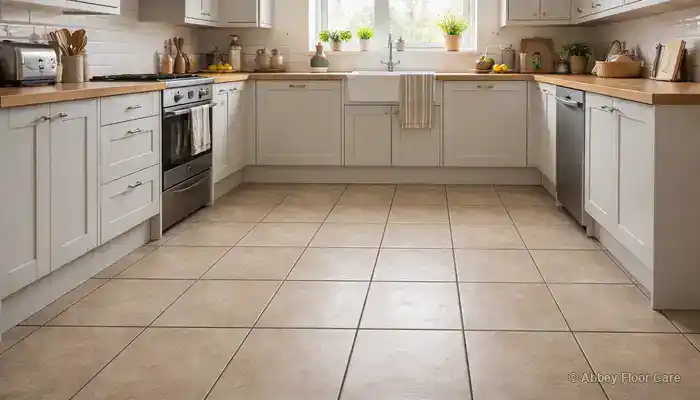
Opting for ceramic tiles or porcelain tiles is a popular choice among homeowners due to their impressive durability, hygienic properties, and low maintenance requirements. However, it can be disheartening when these beautiful surfaces fail to maintain their pristine look. Despite your best efforts to mop and keep them clean, the flooring can still look dull, streaky, or uneven. Moreover, the grout can significantly detract from the overall aesthetic appeal of your space. This frustrating experience is all too common for many homeowners, leading to feelings of disappointment and confusion about the upkeep of their flooring.
Such frustrations are more widespread than many individuals might assume and do not necessarily indicate poor choices or errors in tile selection. Instead, it often suggests that the flooring is not performing as anticipated, resulting in a seemingly endless cycle of dissatisfaction.
Recognising Common Frustrations with Ceramic and Porcelain Floors Over Time
While ceramic and porcelain tiles are often promoted as “low maintenance,” this portrayal can be somewhat misleading and overly simplistic. In reality, these floors do not deteriorate suddenly; rather, their maintenance becomes increasingly challenging over time, regardless of how diligently you clean them.
The source of discontent typically stems from a mismatch between your expectations and the actual performance of the tiles. Although the tiles themselves are robust and non-absorbent, the flooring can start to appear dirty much sooner than anticipated. Stains may develop rapidly, the grout may darken, and cleaning efforts may yield inconsistent results. As time passes, it can seem as though the floor actively resists your careful cleaning attempts, which can be incredibly disheartening.
This phenomenon reflects the broader behaviours of ceramic and porcelain tiles in real-world settings, where issues such as residue build-up, surface wear, and variations in grout or joint conditions often intersect, complicating the maintenance process significantly.
If you are worried that your everyday cleaning products might be damaging the appearance of your floor, this article offers an explanation of why that can occur.
Is the Surface of Your Tiles the Primary Cause of Flooring Issues?
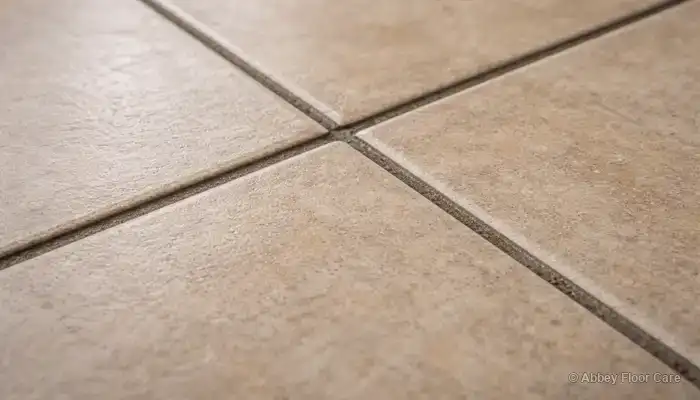
In the majority of households, the tile surface itself is not the fundamental cause of the issue. Ceramic and porcelain tiles are crafted to be durable and resistant to wear, designed specifically to withstand daily use without absorbing spills, and their internal structure rarely deteriorates.
The changes that occur are predominantly related to what accumulates on and between the tiles. Subtle residues, cleaning films, and embedded dirt gradually build up over time. Grout behaves quite differently compared to tile, and its surface texture plays a critical role in the overall appearance of the flooring, often more than many homeowners might realise. When the overall aesthetic of the floor declines, it is easy to assign blame to the tiles; however, the root of the problem typically lies within the grout. This is part of the broader dynamics of ceramic and porcelain floors in real-life scenarios, where concerns about residue, darkening grout, and surface texture frequently overlap.
If you are unsure whether what you are experiencing is dirt or residue stemming from cleaning products, this article clarifies why floors change.
Do Ceramic and Porcelain Tiles Exhibit Different Behaviours Over Time?
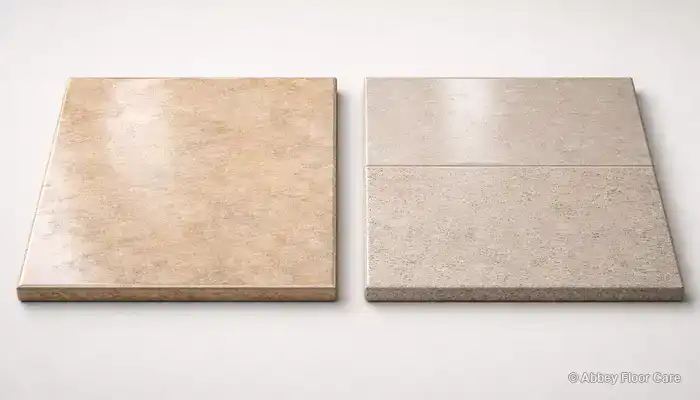
Although ceramic and porcelain tiles are often grouped together, they do not age in the same way. Ceramic tiles generally feature a factory-applied glaze, even if the surface appears matte. In contrast, porcelain tiles are usually denser, yet their behaviour can vary significantly depending on their finish.
Some porcelain tiles boast a smooth and forgiving surface, while others may have a textured or slightly porous finish, making them more susceptible to retaining dirt. Furthermore, polished porcelain tiles may lose their clarity if films begin to accumulate over time. These variations elucidate why two tiled floors may undergo identical cleaning processes yet produce remarkably different visual outcomes.
If you've ever pondered why porcelain feels distinct compared to other flooring options on a daily basis, this article illustrates how materials compare.
Exploring the Essential Role of Grout in Enhancing Floor Aesthetics
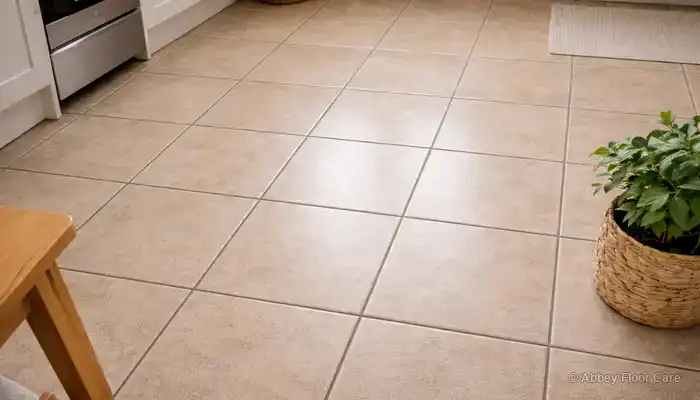
The influence of grout on the overall appearance of a tiled floor is frequently underestimated and overlooked. Unlike ceramic and porcelain, grout is porous and can absorb moisture, dirt, and residue, resulting in a more rapid change in appearance compared to the surrounding tiles.
As grout darkens or becomes patchy, it draws undue attention, making even pristine tiles appear dull and uninviting. This explains why many homeowners focus their cleaning efforts on the tiles themselves yet still feel dissatisfied with the final result. It becomes crucial to address the condition of the grout to truly enhance the overall aesthetic.
If you have queries regarding the sealing process and its implications for tiled floors, this article explains what sealing affects.
When Does Regular Cleaning Fail to Achieve Desired Outcomes?
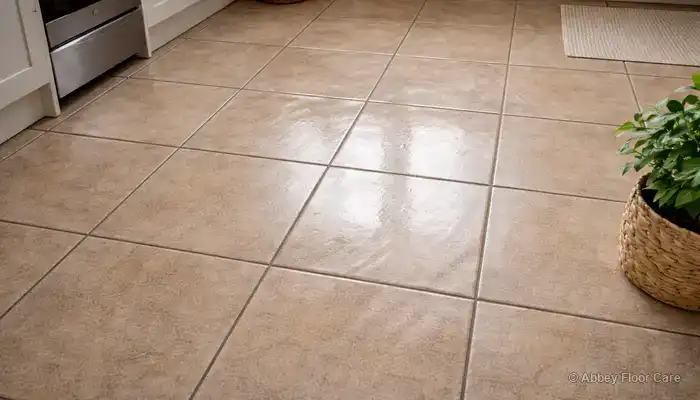
Regular cleaning typically does an excellent job of removing recently deposited dirt and grime. However, over time, thin layers of residue can accumulate that standard mopping or wiping techniques do not effectively lift. Instead of being eliminated, these layers often get redistributed across the surface, compounding the issue.
This build-up can cause floors to begin exhibiting streaks, haziness, or a slightly tacky feel underfoot. Increasing the frequency of cleaning or scrubbing harder often does not yield better results; in fact, it can sometimes make the situation worse.
If you notice that cleaning no longer results in visible improvements, this article discusses why that may be the case.
What Are Realistic Expectations for the Performance of Ceramic and Porcelain Floors?
A well-functioning floor typically showcases an even and predictable appearance. The tiles should clean without leaving smudges, the grout colour should remain consistent, and the surface should not feel coated or tacky. Additionally, stains should not reappear immediately after cleaning, indicating that the floor is functioning at its optimal level.
These criteria should not be viewed as standards of perfection but rather as indicators that the flooring is performing at its best once again. Maintaining clarity and cleanliness contributes significantly to the overall atmosphere of your home.
If you are uncertain about the appearance of clean ceramic tiles, this article illustrates what's achievable.
How Can You Differentiate Between Care, Repair, and Restoration for Your Flooring?
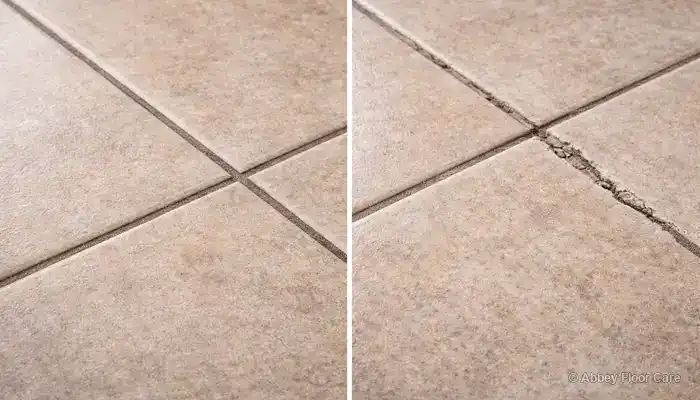
Homeowners often confuse routine care, surface correction, and repair, yet these processes address fundamentally different issues. Understanding these distinctions is essential for effective floor maintenance.
Care involves keeping a clean and stable surface, while corrective actions focus on addressing what has accumulated over time. Repair pertains to fixing actual damage, such as deteriorating grout or broken tiles. Recognising your specific situation assists in setting realistic expectations and determining the necessary steps to take for your flooring.
If you are uncertain whether your floor requires further cleaning or a more complex intervention, this article clarifies the difference.
What Key Insights Does This Article Offer and What Topics Are Not Covered?
This page delivers valuable insights into the behaviour of ceramic and porcelain floors in practical settings, elucidating the reasons behind common frustrations, and the limitations of routine cleaning. It aims to enhance your understanding of related issues you may encounter throughout your flooring journey.
It is important to note that this article intentionally does not delve into step-by-step cleaning advice, product recommendations, repair methods, pricing, or service selection. Such discussions are treated separately to ensure thorough exploration of each topic.
If your next inquiry pertains to the safety of specific cleaners on porcelain finishes, this article outlines what to consider.
Essential Considerations for Effectively Maintaining Ceramic and Porcelain Floors
If your ceramic or porcelain floor has become increasingly challenging to manage, the issue is rarely due to a lack of effort or negligence. More often, it stems from a discrepancy between how the floor was expected to function and its actual behaviour over time.
We hope this page has clarified the reasons behind your experiences and why these issues may arise. You do not need to resolve everything at once; the key is to gain a clearer understanding of what is happening and to identify which questions require further investigation.
The article Why Ceramic and Porcelain Floors Often Look Dirty — Even When They’re Clean was first published on https://www.abbeyfloorcare.co.uk
The Article Ceramic and Porcelain Floors: The Reasons They Appear Dirty appeared first on https://fabritec.org
The Article Ceramic and Porcelain Floors: Why They Look Dirty Was Found On https://limitsofstrategy.com
The Article Ceramic and Porcelain Floors: Understanding Their Dirty Appearance found first on https://electroquench.com