Essential Tools for Perfecting Your Sushi Rolling Skills
How to Choose the Ideal Sushi Rolling Mat for Exceptional Sushi Rolls

A top-quality bamboo sushi mat is an essential tool for anyone eager to master the intricate art of sushi rolling. The flexibility and control offered by a well-crafted mat are crucial for creating tight, uniform sushi rolls that not only look visually appealing but also taste delightful. When selecting a mat, consider both the thickness and the craftsmanship of the bamboo; a thicker mat typically provides better stability, whereas a thinner one may facilitate the creation of intricate and delicate sushi shapes. After each use, it is vital to keep your mat thoroughly clean and dry, as any leftover rice or moisture can lead to bacterial growth, posing a risk to food safety and diminishing the overall quality of your sushi.
Investing in a premium sushi rolling mat not only enhances your rolling skills but also adds an element of joy to the sushi-making experience. With the right mat, you can experiment with various sushi styles, from traditional maki to the more complex uramaki. As you refine your technique, you’ll soon find yourself rolling sushi like a professional chef, unlocking a world of culinary creativity that will allow you to impress family and friends with your newfound skills and expertise.
The Essential Importance of a Sharp Knife in Sushi Preparation
The significance of a sharp knife is often underestimated, yet it plays a crucial role in the sushi-making process, profoundly influencing both the presentation and texture of your final product. A dull knife can crush the rice and fillings instead of slicing through them cleanly, resulting in ragged edges and an unappealing appearance. For optimal results, consider using a traditional sushi knife known as a yanagiba, which is specifically designed for precise slicing through fish and other ingredients with remarkable ease, ensuring that each cut is clean and professional.
Proper maintenance and care of your knife are equally important to guarantee its optimal performance. Regularly honing and sharpening your knife keeps it in excellent working condition, allowing for effortless slicing. Furthermore, the technique employed while cutting is critical; a smooth, swift motion is preferred over a sawing action, as this preserves the integrity of each slice. Paying attention to such details can elevate your sushi from merely satisfactory to truly exceptional, enhancing both its taste and visual appeal, making each dish a delight to behold.
Essential Tools for Preparing Sushi Rice: The Right Rice Paddle and Bowl
Managing sushi rice can become quite challenging without the appropriate tools. A non-stick rice paddle, when paired with an ideal bowl, simplifies this task considerably. Using a rice paddle aids in preventing the rice from clumping, allowing for even distribution across your nori. It is advisable to select paddles made from materials such as wood or silicone, as these options are gentler on the rice, thereby assisting in achieving the perfect texture that is crucial for sushi preparation.
When selecting a bowl, opt for one that is wide and shallow to facilitate effective cooling and seasoning of the rice. This design allows for easy access when mixing in vinegar, sugar, and salt. Efficiently handling sushi rice is essential for achieving the desired sticky texture, making the right tools indispensable for anyone committed to mastering how to roll sushi like an expert. The combination of a high-quality rice paddle and bowl ensures that every step of the rice preparation process is handled with care, setting the foundation for excellent sushi rolls.
Perfecting Your Sushi Rice Preparation Techniques
Essential Tips for Choosing the Best Rice for Sushi
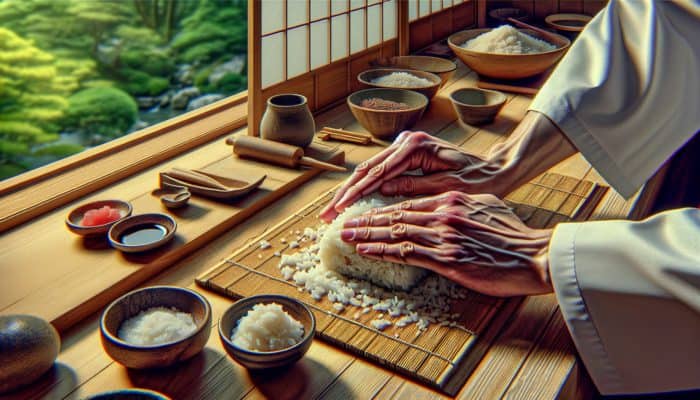
The foundation of any outstanding sushi is its rice; therefore, selecting the correct type is vital for achieving the best results. Short-grain sushi rice, known as Japonica, is optimal due to its unique sticky texture, which allows it to hold together perfectly when rolled. This type of rice is typically available in Asian supermarkets worldwide and is essential for crafting an authentic sushi experience that tantalises the taste buds and satisfies the palate.
When shopping for sushi rice, look for brands specifically labelled for sushi-making. The quality can vary significantly, which directly influences both flavour and texture. Always check for freshness; rice that has been stored for extended periods may not yield the best results. By investing in high-quality sushi rice, you lay the groundwork for success, ensuring that your rolls not only taste remarkable but also maintain their structure throughout the rolling process, delighting anyone who tastes them.
Essential Cooking Techniques for Cooking Perfect Sushi Rice
Mastering the cooking of sushi rice requires a precise understanding of the water-to-rice ratio and cooking time. Generally, the recommended ratio is approximately 1:1.2, meaning that for every cup of rice, you should use 1.2 cups of water. It is essential to rinse the rice thoroughly before cooking to eliminate excess starch, which can create a gummy texture that is undesirable for sushi preparation. This rinsing process is crucial for achieving the perfect consistency that sushi rice is renowned for, making it vital for anyone serious about sushi-making.
After rinsing, soak the rice for a minimum of 30 minutes to allow it to absorb some water before cooking. For the best outcomes, consider using a rice cooker, as it provides consistent temperature and timing, both of which are vital for achieving perfectly cooked sushi rice. After cooking, let the rice rest covered for about 10 minutes to finish steaming. This additional step ensures your sushi rice reaches the desired flavour and consistency, making it significantly easier to work with during the rolling process, resulting in beautifully crafted sushi rolls.
Enhancing Sushi Rice with Flavoursome Seasoning Techniques
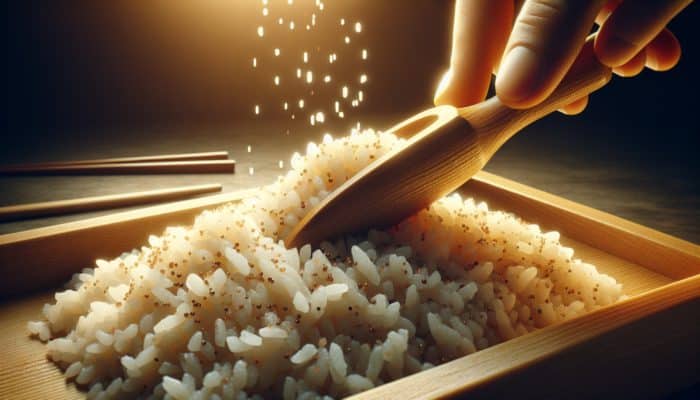
Seasoning is where sushi rice truly transforms, turning plain rice into a flavourful foundation for your sushi creations. A traditional mixture of rice vinegar, sugar, and salt is commonly used to achieve this enhancement. Although the proportions can vary, a common starting point is 1/4 cup of rice vinegar, 2 tablespoons of sugar, and 1 teaspoon of salt for every 2 cups of cooked rice, which results in a balanced flavour that beautifully complements the sushi and its ingredients, enhancing the overall taste experience.
To prepare the seasoning, gently heat the mixture until the sugar dissolves, and then carefully fold it into the rice using a wooden paddle. Be gentle during this process to avoid crushing the grains, as this could compromise the texture that is so crucial for sushi. Once mixed, allow the rice to cool to room temperature for optimal results. Properly seasoned rice not only enhances the overall taste of your sushi but also elevates the dining experience, making each bite a delightful journey into the world of sushi and culinary craftsmanship.
Choosing Quality Ingredients for Exceptional Sushi Crafting
How to Select Fresh Fish and Seafood for Exceptional Sushi Making
Selecting high-quality fish and seafood is essential for creating delicious sushi. Freshness is paramount, as sushi relies heavily on the inherent flavours of its ingredients. Look for fish that boasts bright, vibrant colours and has a clean, oceanic aroma. In many regions, fish markets and specialty seafood shops offer the best choices, often featuring local catches that reflect the unique culinary landscape of the area, ensuring a delightful sushi experience.
Popular seafood choices for sushi include salmon, tuna, and eel, but do not overlook regional options that can provide unique tastes and experiences. For example, in coastal regions of Japan, fresh uni (sea urchin) or octopus may be available for sushi preparation. When selecting seafood, always consider sustainability and choose suppliers who practice responsible fishing methods, ensuring that you support sustainable fisheries while enjoying high-quality ingredients that contribute to the overall experience of your sushi.
Safety is another critical factor to keep in mind. If you are new to sushi-making, it is advisable to consult professionals or educational resources about safe handling and preparation techniques, especially when dealing with raw fish. With the right ingredients and knowledge, you can elevate your sushi-making skills to new heights, impressing everyone with your culinary creations that not only taste exquisite but are also safe to consume.
Incorporating Diverse Vegetables and Fillings to Enrich Your Sushi Rolls
Incorporating a variety of vegetables and fillings can significantly enhance the flavours and textures within your sushi rolls. Common choices include cucumber, avocado, and carrot, but do not hesitate to experiment with seasonal produce or local favourites that inspire you. For instance, in some parts of Southeast Asia, fresh herbs like mint or coriander could be delightful additions to your sushi rolls, introducing freshness and flavour complexity that elevate your creations.
It is crucial to prepare your fillings correctly—slice the vegetables thinly to ensure they roll easily and evenly within the nori. Pay attention to the balance of flavours; for instance, pairing creamy avocado with crunchy cucumber creates a delightful contrast in each bite. The beauty of sushi lies in its versatility, allowing you to create unique combinations that reflect your personal taste and preferences, making each roll a true expression of your culinary artistry and creativity.
Understanding Nori Quality for the Best Sushi Wrapping Experience
The quality of nori, the seaweed used for wrapping sushi, can significantly affect the overall quality and taste of the final product. High-quality nori is characterised by a dark green hue, a glossy appearance, and a crisp texture when touched. When purchasing nori, seek out brands that come highly recommended or are well-reviewed by sushi enthusiasts to ensure you select the best available quality that will enhance your sushi experience.
Ideally, nori should be toasted, as this enhances its flavour and texture, making it easier to handle during the rolling process. To test the quality of nori, consider how it holds together when wet; good nori will remain intact without becoming overly soggy during rolling. Choosing the right nori can elevate your sushi, adding both flavour and visual appeal to your culinary creations, making every bite an exquisite experience that delights the palate.
Fundamental Sushi Rolling Techniques for Beginners
Mastering Hand Positioning for Consistent and Neat Sushi Rolls
Proper hand positioning is crucial for achieving uniform and tightly rolled sushi pieces. Start by placing your hands on either side of the bamboo mat, gripping the edges with your fingers while your thumbs apply gentle pressure to the top of the nori. This specific positioning allows for even pressure distribution as you roll, ensuring that the sushi maintains its shape and does not fall apart during the process, contributing to a beautiful presentation.
Practice is key; do not be disheartened if your initial rolls are not perfect. As you gain experience, you will develop a keen sense of the right amount of pressure to apply. It is essential to keep your hands clean and slightly damp, as this helps prevent the rice from sticking to your fingers, making the rolling process much smoother. With consistent practice, your hand positioning will become second nature, leading to flawless sushi rolls that showcase your growing skills and dedication to the art of sushi-making.
Finding the Right Tightness for Perfect Sushi Rolls
Achieving the right rolling tightness is a skill that distinguishes amateur sushi makers from seasoned professionals. If your roll is too loose, the ingredients may spill out; conversely, if it is too tight, the roll may tear or become unpleasantly compressed. Begin by gently tucking the edge of the mat over the filling, using your fingers to guide the ingredients into the roll with care and precision.
As you roll, apply consistent, gentle pressure to keep everything snug without compromising the integrity of the ingredients. The ultimate goal is to create a tight roll that holds together beautifully without being overly compressed. If necessary, adjust the tightness as you roll to discover what works best for you. Remember, a well-rolled sushi piece not only looks appealing but is also easier to eat, enhancing the overall sushi experience and making it enjoyable for everyone.
Effective Techniques for Sealing Your Sushi Roll Securely
Sealing your sushi roll effectively is crucial for keeping it intact during the slicing process. To achieve this, moisten the edge of the nori with a small amount of water. This moisture helps the nori adhere together when you complete the roll, creating a seamless finish that enhances the appearance of your sushi. Press gently but firmly along the seam to ensure it adheres without squashing the roll, preserving its shape and integrity for an impressive presentation.
Taking this essential step will prevent the roll from unraveling later, enabling you to savour each piece without any concerns. A well-sealed roll reflects professionalism and meticulous attention to detail, elevating your sushi-making skills to a higher level. As you continue to practice, you will discover the perfect sealing method that works best for you, resulting in consistently high-quality sushi rolls that are both delicious and visually stunning.
Perfecting the Art of Cutting Sushi Rolls for Stunning Presentation
Cutting sushi rolls is an art form that demands precision and skill. A sharp knife is essential for achieving clean, even slices that ensure each piece is visually appealing. Start by wetting the blade to prevent the rice from sticking, then execute a swift, decisive cut through the roll. Avoid the temptation to saw back and forth; instead, use a smooth motion to maintain the roll’s structure and integrity, which enhances the overall presentation of your sushi.
Aim for bite-sized pieces—typically, 6 to 8 pieces per roll—to ensure that each serving is manageable and visually appealing. If necessary, wipe the knife blade with a damp cloth between cuts to maintain cleanliness and precision throughout the slicing process. The way you cut your sushi significantly affects its presentation and enhances the overall dining experience, making it crucial to master this technique as you refine your sushi-making skills and impress your guests with your creations.
Utilising a Sushi Mat for Effective Rolling Techniques
The sushi mat serves as an invaluable guiding tool throughout the rolling process, ensuring that your sushi takes shape with precision and ease. Position your nori on the mat, leaving about an inch at the top for sealing. As you roll, use the mat to apply gentle pressure, helping to shape the roll evenly and effectively, which is essential for achieving beautiful sushi.
Practice rolling with the mat until you feel confident in your technique. Do not hesitate to experiment with different sushi styles, such as uramaki, where the rice is on the outside, by adjusting how you use the mat. Ultimately, a sushi mat is indispensable in teaching beginners the fundamentals of sushi rolling, making the process both enjoyable and efficient as you hone your skills and creativity in the kitchen.
Exploring Advanced Sushi Rolling Techniques
Creating Stunning Inside-Out Rolls (Uramaki) for Impressive Presentation
Inside-out rolls, commonly referred to as uramaki, have gained immense popularity due to their striking visual presentation. This method involves rolling sushi with the rice on the outside, creating a delightful contrast to the filling. Start by spreading a layer of rice evenly over the nori on the bamboo mat, ensuring that the rice is well-distributed and adheres properly, which is vital for the overall integrity of the roll.
Once the rice is in place, carefully flip the nori over so that the rice faces down. Layer your chosen fillings across the nori, then gently roll using the mat to guide you through the process. The challenge lies in sealing the roll, as rice can be trickier to manage than nori alone. However, with practice, you will master this technique, impressing friends and family with beautifully crafted sushi that showcases your skills and creativity, making every meal a special occasion.
Crafting Cone-Shaped Sushi (Temaki) for Interactive and Fun Dining
Cone-shaped sushi, known as temaki, offers an interactive dining experience that encourages creativity and personalisation. To create these hand rolls, start with a sheet of nori, cutting it in half diagonally. Place a generous amount of sushi rice along one edge, layering your chosen fillings on top. The key to success is rolling the nori into a cone shape, using your fingers to hold the fillings in place as you roll, creating a delightful dish that is both fun to make and eat.
This style allows for plenty of experimentation; feel free to mix and match various fillings and sauces to create unique combinations that reflect your personal taste. Serve temaki as a casual meal option, perfect for gatherings or parties, where diners can customise their rolls to their liking. Mastering this technique adds another dimension to your sushi repertoire, showcasing your skills in a delightful and engaging way that is sure to impress your guests.
Enhancing Sushi Presentation with Decorative Techniques for Visual Appeal
Elevating your sushi presentation can be achieved through various decorative techniques that enhance both visual appeal and flavour. Consider incorporating intricate cuts and garnishes, such as avocado roses or colourful vegetable spirals, that not only beautify your sushi but also introduce layers of flavour and texture that enhance the dining experience. These artistic details can elevate the overall sushi experience, making it more memorable for your guests and showcasing your culinary creativity.
Experiment with sauces and toppings, such as drizzling eel sauce or sprinkling sesame seeds over the top, to add an extra touch of flavour and visual appeal. Using edible flowers or microgreens can further enhance the impact of your sushi creations. The artistry involved in sushi-making is part of what makes it so enjoyable; with practice, you will develop a signature style that reflects your creativity and skill, making your sushi truly stand out on any table and in any dining experience.
Avoiding Common Mistakes in Sushi Making for Better Results
The Risks of Overfilling Your Sushi Rolls
One common mistake that beginners often make is overfilling their rolls. While it may be tempting to add numerous ingredients, doing so typically results in a messy roll that falls apart when cut. Stick to a moderate amount of fillings, allowing for sufficient rice and nori to securely hold everything together without compromising structure and integrity.
Learning the right balance of ingredients is a skill cultivated through practice and patience. Focus on achieving harmony in flavours and textures rather than sheer volume. A well-constructed roll will not only be visually appealing but also provide a delightful eating experience, showcasing the true art of sushi-making. Avoiding the trap of overfilling is a crucial step toward mastering the craft and rolling sushi like a true professional.
Avoiding Incorrect Rice Distribution for Ideal Sushi Rolls
Achieving even rice distribution is vital for maintaining balance and aesthetics in your sushi. If the rice is too thick in certain areas, it can lead to uneven rolling or a disjointed appearance. Spread the rice gently but evenly across the nori, ensuring that each section has a consistent amount for optimal results, which is essential for the overall quality of your sushi.
Proper rice distribution not only enhances visual appeal but also affects overall taste. Each bite should provide a harmonious blend of flavours, showcasing the fillings without being overwhelmed by rice. With diligence in your technique, you will find that consistently even rice distribution leads to superior sushi rolls that impress every time, making your sushi-making efforts truly worthwhile.
The Importance of Patience in the Sushi-Making Process
Rushing through the sushi-making process can lead to mistakes and unsatisfactory results. Sushi is an art form that requires patience and care at every stage, from preparing the rice to assembling the rolls. Take your time with each step to ensure everything is completed thoroughly; this attention to detail will pay off in the final product, resulting in sushi that is both delicious and beautifully presented.
Instead of hurrying, savour the journey of sushi-making. Experiment with different techniques and flavour combinations, allowing yourself the space to learn and improve along the way. With time, you will find that the process becomes smoother, and each roll you create will reflect your growing expertise and passion for sushi, leading to more enjoyable experiences in the kitchen and delightful meals for all.
Finding the Balance: Avoiding Excessive Pressure While Rolling
Applying excessive pressure while rolling sushi can be detrimental, causing fillings to spill out and the rice to become overly compressed. Instead, focus on applying gentle, consistent pressure throughout the rolling process. This approach will help maintain the integrity of the ingredients while ensuring a firm but not overly tight roll that holds together well, creating a beautiful sushi piece.
As you practice, you will develop an intuition for the right amount of pressure to use. Striking the balance between snugness and preservation of the fillings will significantly elevate your sushi-making skills. Over time, this understanding will lead to beautifully formed rolls that are not only visually striking but also delicious and enjoyable to eat, showcasing your talent and dedication to sushi craftsmanship.
The Significance of Knife Sharpness in Sushi Preparation
Neglecting your knife’s sharpness can lead to frustrating outcomes when cutting sushi rolls. A dull knife can crush the rice and fillings, resulting in uneven slices that detract from the overall presentation and enjoyment of your sushi. Regularly sharpening your knife is vital for achieving clean, professional-looking cuts that enhance the visual appeal of your creations, making each piece a delight to behold.
Ensure you use the proper technique while slicing, making swift, smooth motions instead of sawing back and forth. Clean cuts not only improve the appearance of your sushi but also contribute to a better eating experience, allowing the flavours to shine through beautifully. A well-cut roll showcases the beauty of your ingredients, making knife maintenance an integral part of the sushi-making process that should never be overlooked, ensuring that every sushi dish is a masterpiece.
Mastering Sushi Presentation and Serving Techniques for a Memorable Experience
Artfully Arranging Sushi on Plates for Maximum Impact
The way sushi is arranged on a plate can greatly enhance the overall dining experience. Aim for an aesthetically pleasing display by incorporating diverse shapes, colours, and heights into your presentation. Plating sushi in a symmetrical fashion or in clusters creates visual interest, while adding garnishes like microgreens or edible flowers elevates the presentation to new heights, making each dish a feast for the eyes as well as the palate.
Consider using different serving dishes, such as wooden platters or sushi boats, to add flair to your presentation. The goal is to entice your guests even before they take a bite, making them eager to explore the delightful flavours of your sushi. A thoughtful arrangement not only showcases the effort invested in making the sushi but also sets the stage for a memorable meal that your guests will surely appreciate, enhancing their dining experience.
Enhancing the Sushi Experience with Traditional Accompaniments
Traditional accompaniments play a significant role in enriching the sushi experience, providing contrasting flavours and textures that complement the main dish. Soy sauce, wasabi, and pickled ginger are staple additions that many sushi enthusiasts enjoy. Soy sauce provides a salty umami boost, while wasabi delivers a spicy kick that pairs beautifully with the fish and other ingredients, enhancing the overall flavour profile of your sushi.
Serve these accompaniments in small dishes alongside your sushi platter, encouraging diners to customise their experience according to their preferences. Experiment with different sauces, such as spicy mayo or eel sauce, to introduce additional layers of flavour that enhance the overall experience. By thoughtfully pairing your sushi with various accompaniments, you will create a well-rounded dining experience that showcases your culinary skills and creativity, making each meal unforgettable.
Mastering Cutting Techniques for Professional Sushi Presentation
Neatly cutting sushi rolls is essential for achieving a polished look and feel that impresses diners. Use a sharp knife, ensuring it is wet before each cut to prevent sticking and ensure a smooth slicing action. Aim for uniform pieces, typically around 1-2 inches in width, making them easy to eat and visually appealing on the plate, enhancing the overall experience for your guests.
Take your time with each slice, employing a single, swift motion rather than a sawing action. This technique helps preserve the structure of the roll, maintaining a clean cut that enhances the presentation significantly. A well-cut sushi roll not only looks beautiful but also reflects your expertise in sushi-making, adding an extra layer of enjoyment to your culinary creations and making every meal a celebration of your skills.
Getting Started with Sushi Rolling: A Beginner’s Guide to Success
Begin with Simple Sushi Rolls for Effective Learning
If you are new to the art of sushi-making, starting with basic rolls such as maki is the ideal approach to build your skills. Begin by mastering fundamental techniques before diving into more complex styles. Simple ingredients like cucumber and avocado allow you to focus on refining your rolling technique without overwhelming yourself with too many flavours and textures at once, setting the stage for future success.
As you gain confidence and proficiency, gradually introduce additional ingredients and styles to your repertoire. This incremental approach not only builds your skills but also keeps the process enjoyable and rewarding. Remember, even the most experienced sushi chefs started with the basics, so embrace the learning curve and relish the journey towards sushi mastery, allowing yourself the time to grow and develop your own unique style.
The Key to Sushi Success: Regular Practice Leads to Perfection
Regular practice is essential for honing your sushi-making skills and achieving delicious results. Set aside dedicated time to experiment with different techniques, ingredients, and styles to develop your abilities further. Consistency is key; the more you roll, the more adept you will become at achieving the perfect sushi roll that impresses everyone at the table and showcases your dedication to the craft.
Consider involving friends or family in your practice sessions for added fun and feedback. They can provide valuable insights into your rolling technique and taste preferences, helping you refine your skills along the way. With each practice session, you will find yourself improving, making sushi-making a rewarding and enjoyable culinary endeavour that brings people together and creates lasting memories.
Learning from Mistakes: A Crucial Step in Sushi-Making Development
Mistakes are an inevitable part of the learning journey, especially in the intricate art of sushi-making. Instead of viewing them as setbacks, leverage your missteps as valuable opportunities for growth and improvement. If a roll falls apart or does not taste quite right, take the time to analyse what went wrong and adjust your technique for next time, transforming challenges into valuable lessons that enhance your skills.
Maintaining a positive mindset while learning is crucial for your development. Document your experiences, noting what works well and what does not. This approach will help you identify trends in your sushi-making journey, allowing you to refine your skills over time. Embrace the learning process, and soon you will find yourself rolling sushi like a true professional, ready to impress family and friends alike with your exquisite creations.
Your Sushi Questions Answered: Frequently Asked Questions for Enthusiasts
What type of rice is best for making sushi?
Short-grain sushi rice, known for its sticky texture, is the best choice for crafting sushi. It helps the rolls maintain their shape while providing the ideal mouthfeel that is essential for sushi enjoyment, ensuring a delightful dining experience.
Can I use regular rice instead of sushi rice?
While you can technically use regular rice, it will not provide the same sticky texture or flavour as sushi rice. It is best to stick with short-grain options for optimal results in sushi preparation, ensuring that your sushi turns out just right.
How can I determine if my fish is fresh enough for sushi?
Fresh fish should exhibit a clean, oceanic smell and vibrant, bright colours. Avoid fish that has an overly fishy odour or a dull, faded appearance, as these are signs of poor quality that could affect your sushi-making experience.
What is the correct water-to-rice ratio for cooking sushi rice?
A typical water-to-rice ratio for sushi rice is around 1:1.2, meaning you should use 1 cup of rice to 1.2 cups of water. Adjust this ratio according to your personal preferences and cooking method for the best results, ensuring that your sushi rice is perfectly cooked.
How can I seal my sushi rolls properly?
To seal your sushi rolls effectively, moisten the edge of the nori with a bit of water. This moisture will help the nori stick together, keeping the roll intact and preventing it from falling apart during slicing, ensuring a neat presentation.
What should I do if my sushi rolls keep falling apart?
If your rolls are falling apart, focus on using the appropriate amount of fillings and ensure you are applying even pressure while rolling. Overfilling can lead to issues, so be mindful of the balance between rice and fillings for the best results.
How can I improve my cutting technique for sushi rolls?
To enhance your cutting technique, use a sharp knife and wet the blade before each cut. Practice making swift, single motions for clean, even slices that maintain the integrity of your sushi rolls, enhancing both their appearance and your presentation.
Is it safe to use raw fish for sushi preparation?
Yes, it is safe to use raw fish for sushi, but it is crucial to ensure you are using sushi-grade fish sourced from a reputable supplier to guarantee safety and quality. Proper handling and storage are also essential for maintaining freshness and safety.
Can I make sushi with cooked ingredients?
Absolutely! Many sushi rolls incorporate cooked ingredients like shrimp tempura or crab, which can be just as delicious and are often more accessible for those new to sushi-making, providing a delightful alternative.
Why is sushi presentation important?
Sushi presentation enhances the overall dining experience, making the meal visually appealing. A well-arranged platter showcases your skills and invites enjoyment, elevating the entire sushi experience for everyone at the table.
Stay updated with our latest news on Facebook!
The post How to Roll Sushi Like a Pro: Master the Art appeared first on https://cookinggods.com
The Article Roll Sushi Like a Pro: Mastering the Art of Sushi Making Was Found On https://limitsofstrategy.com
The Article Sushi Making Mastery: Roll Sushi Like a Pro found first on https://electroquench.com